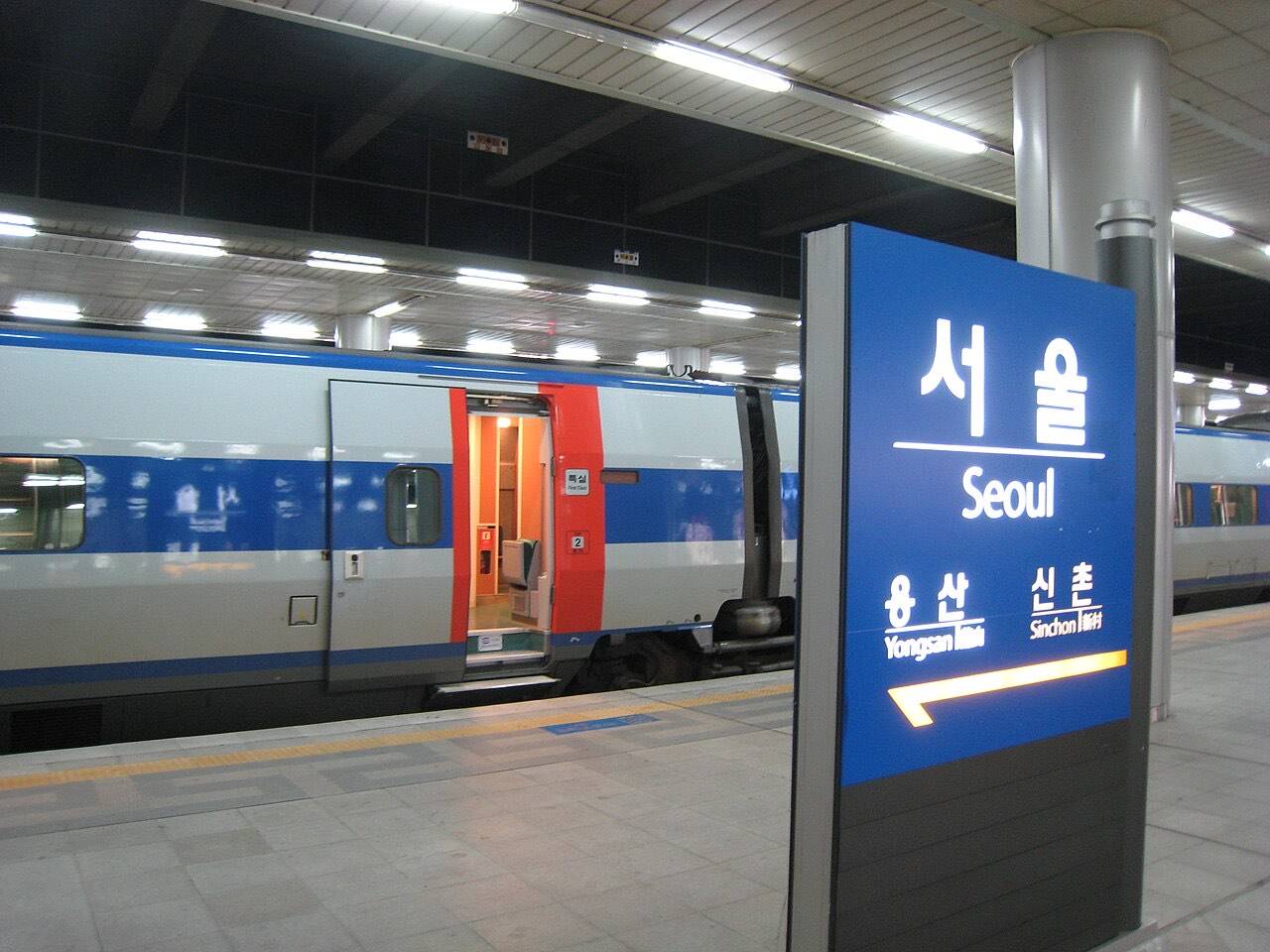
Busan is Korea's second city and its summer capital, a loose sprawl of beaches, headlands, mountains and seafood markets wrapped around one of the busiest ports in the world. After the density of Seoul it feels like exhaling. The pace is slower, the sea is always somewhere nearby, and the food is some of the best in the country. It's also the natural anchor for a trip south: about 2 hours 40 minutes from Seoul by KTX, and barely 30 minutes from Gyeongju, so most travelers heading beyond Seoul end up here first.
The thing to understand about Busan is that it isn't one compact center you can walk end to end. It's a string of distinct districts spread along the coast and tied together by an easy subway. Pick two or three areas to base your days around rather than crisscrossing the whole city, and it suddenly becomes very manageable.
Getting into the city
Most visitors arrive at Busan Station on the KTX, right in the old downtown near Nampo and Jagalchi. From there the subway (the station is on Line 1) gets you almost anywhere. If you fly into Gimhae International Airport, take the light-rail (BGL) to connect with the subway, or grab a taxi. It's roughly 30 to 45 minutes to Haeundae depending on traffic.
Before you leave the station area, sort out two things: a transit card and, if you need it, cash. Buy a T-money or Cashbee card at any convenience store and load it with cash. It covers the subway, buses and even some taxis, and saves you fumbling for single fares. For currency, skip the airport and department-store counters. The exchange booths around Nampo-dong and Busan Station consistently give better rates, and the staff usually handle English, Japanese and Chinese.
Getting your bearings: the neighborhoods
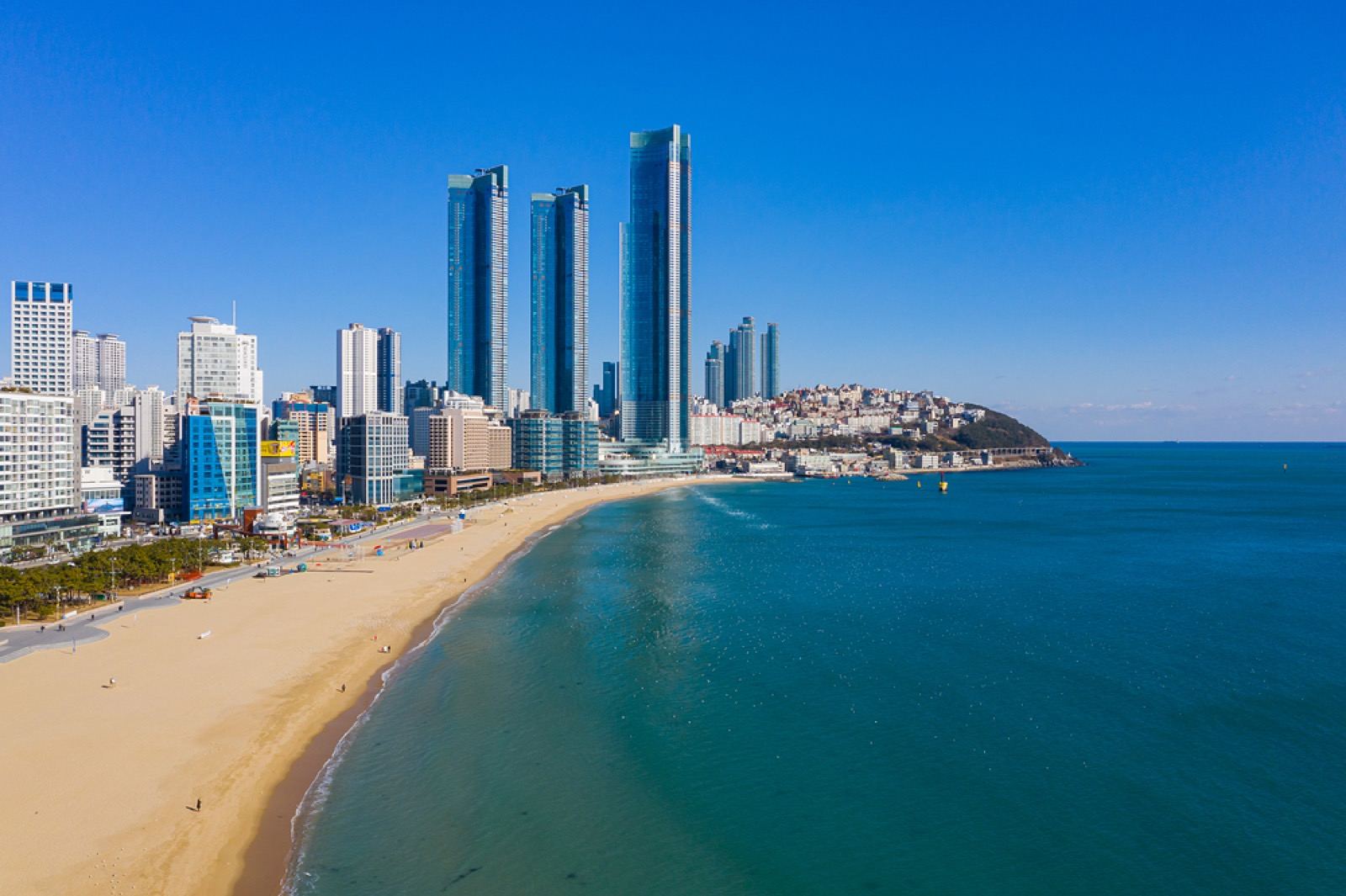
- Haeundae — Busan's resort face: the famous beach, high-rise hotels, the aquarium and the glassy Busan X the Sky observation tower. Touristy but comfortable, and a fine first base.
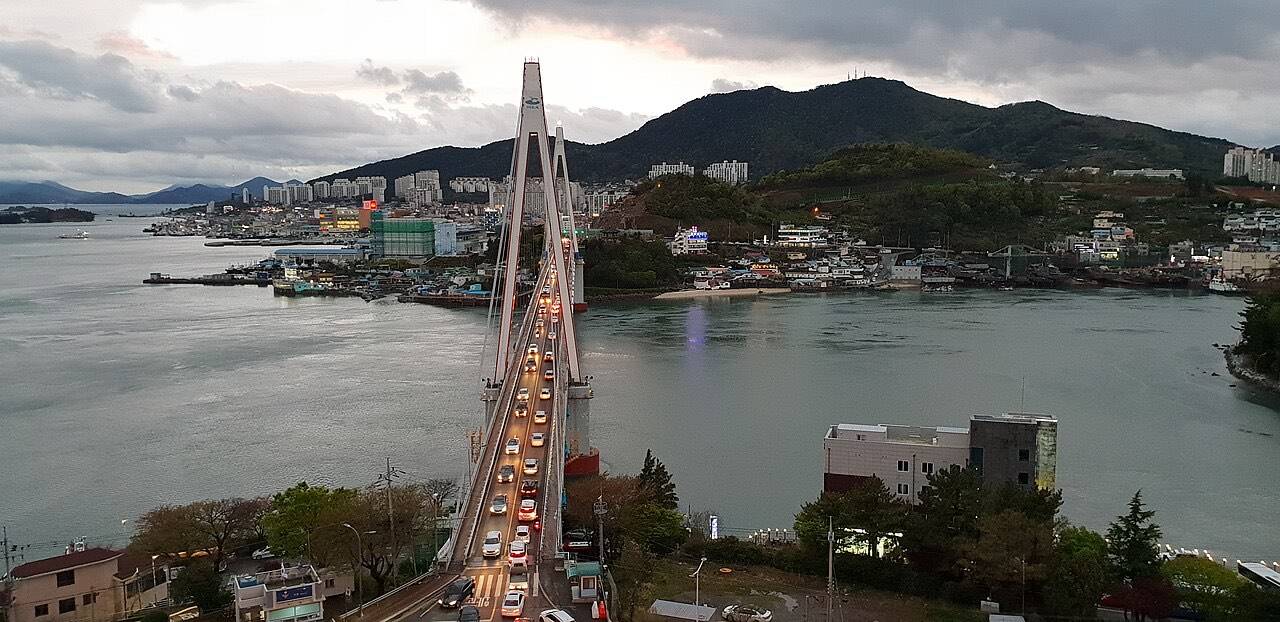
- Gwangalli — a younger café-and-bar beach with the postcard view of the Gwangan Bridge lit up at night. Livelier after dark than Haeundae.
- Seomyeon — the geographic and commercial heart, a shopping and eating hub with the city's best late-night food. Central for the subway, though not scenic.
- Nampo-dong / Jagalchi / BIFF Square — the atmospheric old downtown, all street food, the fish market, cinema history and the cable car up to the Songdo coast.
- Gijang & Songjeong — the quieter northeast coast, home to Haedong Yonggungsa temple, anchovy and seafood towns, and a mellow surf beach.
- Yeongdo — the island across from downtown, with the cliffs of Taejongdae and the cliffside white houses of Huinnyeoul.
What to see and do
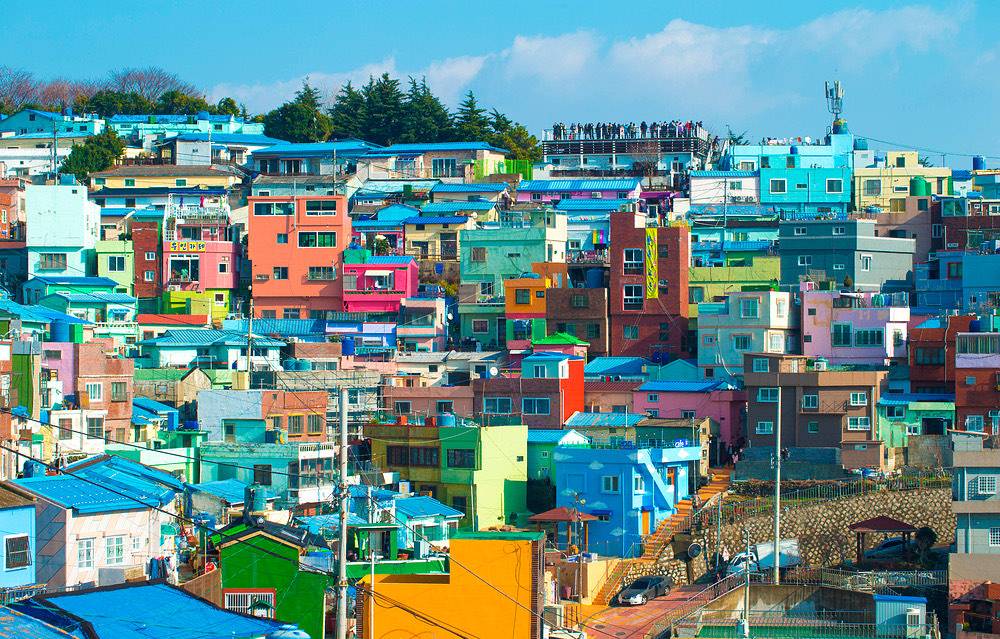
- Gamcheon Culture Village — a hillside of pastel houses, murals and tiny galleries, once a Korean War refugee settlement and now Busan's most photographed maze. Go early, wear real shoes for the slopes, and wander off the marked photo route, where the crowds thin out fast.
- Haedong Yonggungsa — one of the few Korean temples built right on the sea, its shrines set among the rocks with waves breaking below. It's packed by late morning, so arrive soon after it opens, or come toward closing for soft light and room to move.
- Busan X the Sky — on clear days the observation deck above Haeundae gives the widest view of the coastline and bridges. Time it for sunset, when the city switches on.
- Taejongdae — a forested headland on Yeongdo with cliff walks, a working lighthouse and quiet coves that most day-trippers rush past. A little train (Danubi) loops the park if you'd rather not walk the hills.
- Huinnyeoul Culture Village — a row of white houses stacked on a cliff over the water, with narrow lanes and cafés. Quieter than Gamcheon, and a lovely late-afternoon stroll.
- Oryukdo Skywalk — a glass walkway jutting out over the sea at the far southeastern tip, where the East Sea meets the South Sea.
Book a Busan day tour with hotel pickup
The beaches, ranked by mood
Busan has more good beaches than any other Korean city, and each one has its own character. Haeundae is the famous one, broad and busy and backed by hotels and restaurants. Gwangalli is the one to save for the evening, with the bridge lighting up over the bars. Songjeong, out toward Gijang, is smaller and calmer, and it's where locals go to surf and to learn. For the best sunset in the city, head west to Dadaepo Beach, where shallow flats and an evening light-and-music fountain draw a mellow, mostly local crowd. Few foreign visitors make it out there.
What to eat
Busan food is coastal, bold and a little different from Seoul, shaped by the port and by the waves of people who passed through it. The essentials:
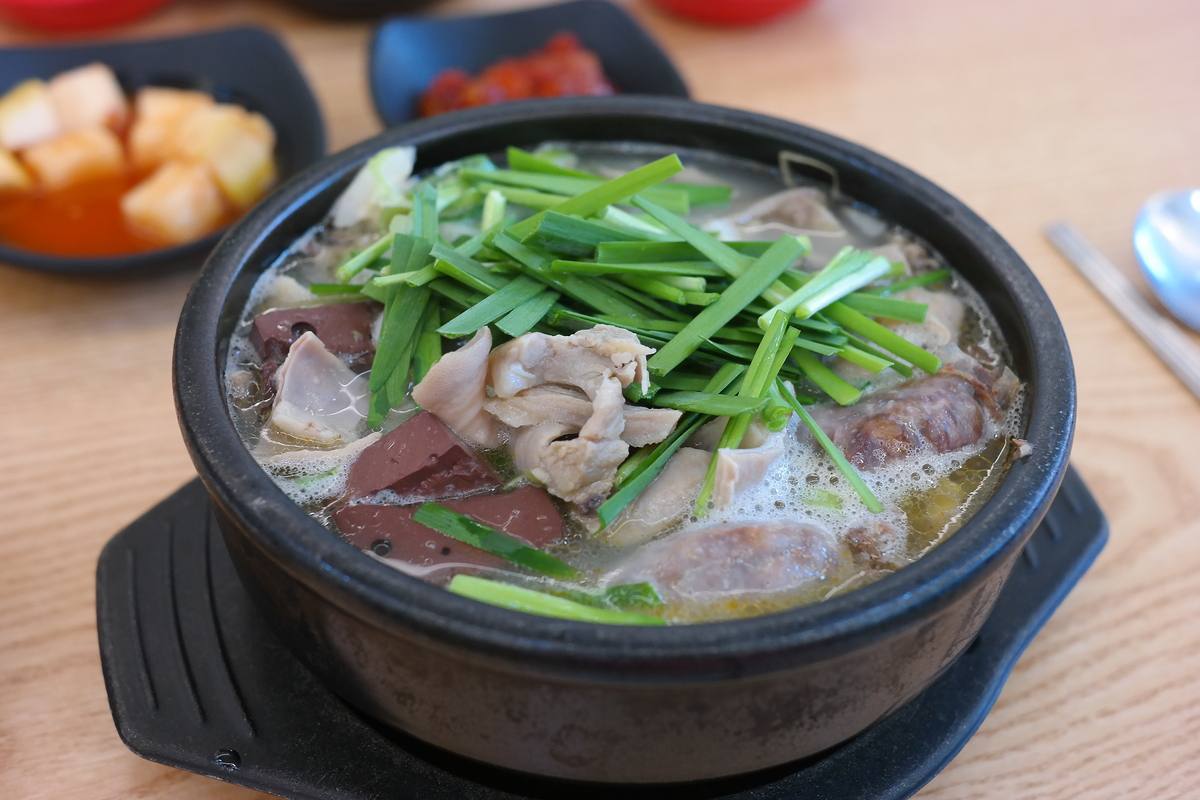
- Dwaeji gukbap — the city's signature comfort food, a milky pork-bone broth with rice that you season at the table with salted shrimp, chives and chili paste. There's a whole "gukbap street" in Seomyeon given over to it, much of it open around the clock.
- Milmyeon — chewy cold wheat noodles in an icy broth, a Busan invention that came out of post-war ingredient shortages and is now a summer staple.
- Ssiat hotteok — the local take on the street pancake, split open and packed with seeds and nuts. The stalls at BIFF Square in Nampo are the classic spot.
- Eomuk — Busan is Korea's fish-cake capital. Grab skewers hot off a stall, or try one of the modern fish-cake bakeries near Busan Station.
- Dongnae pajeon — a thick, chewy seafood-and-scallion pancake, historically a Dongnae district specialty and best with a bowl of makgeolli.
- Fresh hoe (raw fish) — pick your catch downstairs at Jagalchi Market and have it prepared upstairs, or head out to the seafood towns around Gijang for the freshest version.
Pair a food crawl with a walk. Jagalchi runs straight into Nampo's street-food lanes, and Seomyeon's gukbap street sits right on the subway.
Getting around
The subway is clean, cheap and signed in English, and it reaches most of what you'll want. Tap in and out with your T-money or Cashbee card. A few coastal sights, Haedong Yonggungsa in particular, need a local bus for the last stretch, so allow extra time. Taxis are inexpensive for short hops and worth it in a group.
One ride is an attraction in itself. The Haeundae Blueline Park runs a beach train and a two-person "sky capsule" along the old coastal railway between Mipo, Cheongsapo and Songjeong, and the views are the best in the city. Book the sky capsule ahead on weekends, when it sells out.
If you plan to hit several paid sights and ride transit a lot, a city pass that bundles attractions and transport can pay for itself quickly and spares you buying tickets one at a time.
Get a Visit Busan Pass for attractions & transit
Where to stay
- Haeundae — best for first-timers and beach lovers: plenty of hotels, easy dining, a resort feel.
- Seomyeon — best for foodies and night owls who want to be central and on the subway.
- Gwangalli — best for the view and the evening scene, and a little more local.
- Nampo — best if you're arriving by KTX and want markets, street food and old-Busan atmosphere on your doorstep.
A rainy day (or a tired one)
Busan is a spa city. When the weather turns or your feet give out, Spa Land in Centum City is the famous choice, a huge, design-forward jjimjilbang with mineral baths and themed sauna rooms, attached to one of the world's largest department stores. It's how a lot of locals spend a few hours, and a soft landing after a long travel day.
Book a Spa Land Centum City ticket
When to go
- Spring (April–May) — mild and green, with early cherry blossoms and comfortable weather for walking the hills and headlands.
- Summer (July–August) — beach season and the city's liveliest stretch, but hot, humid and crowded. Watch for the late-summer rainy spell and the occasional typhoon.
- Autumn (October) — probably the best month, with clear skies, a still-warm sea, the Busan International Film Festival and the big fireworks festival over Gwangalli.
- Winter — quiet and cold but rarely snowy, and good for spas, markets and crowd-free temples.
Insider tips
- Drive or ride the Dalmaji-gil. The hillside road from Haeundae's Mipo up toward Songjeong is lined with sea-view cafés and galleries, one of the prettiest corners of the city and easy to reach via the Blueline train.
- Do Yonggungsa early, Gwangalli late. Hit the temple before the crowds arrive, and save Gwangalli for dinner and the lit-up bridge.
- Chase the west-coast sunset. Dadaepo and Amnam Park see a fraction of the visitors Haeundae does, and the light is better.
- Carry a little cash. Cards work almost everywhere, but the markets, street stalls and older seafood spots, which are some of the best eating in the city, sometimes prefer cash.
- Skip the midday queues at Gamcheon and X the Sky by going first thing or near closing. The light is better then anyway.