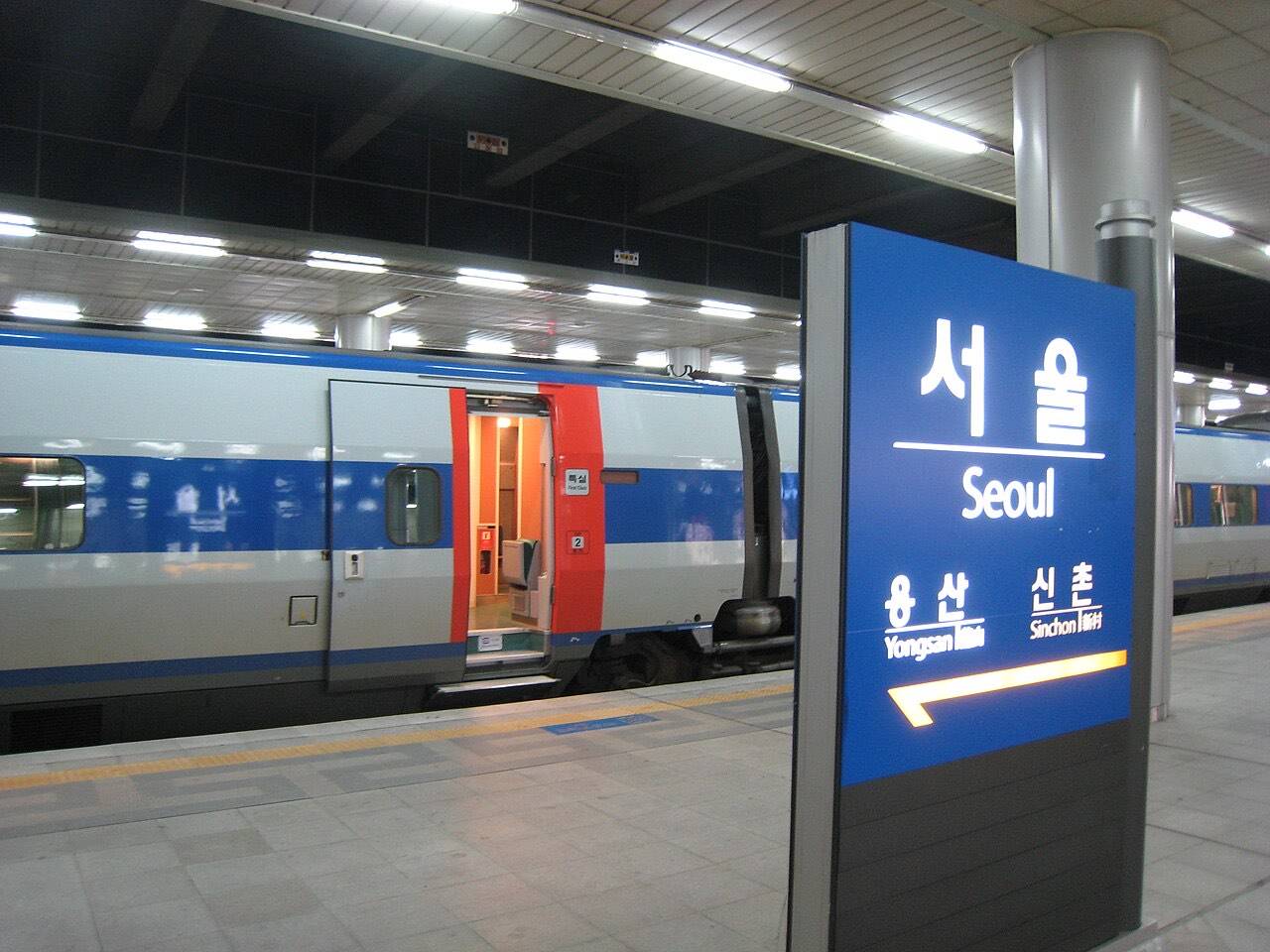
The Korea Rail Pass (KR Pass) only pays off if you cover a lot of ground fast. It gives foreign visitors unlimited rides on KTX, ITX and Mugunghwa trains for a set number of days (consecutive or flexible), but it does not cover the SRT, city subways, or some tourist trains. The rule of thumb: if two or three long-distance legs fall inside the pass window, it usually wins; a single round trip is almost always cheaper as point-to-point tickets. Always price it against your exact route before buying.
The Korea Rail Pass (KR Pass) only pays off if you're covering a lot of ground fast. It's a rail pass sold only to foreign visitors, giving unlimited rides on most Korean trains for a set number of days. Whether it beats buying individual tickets comes down entirely to your route — so do the math before you buy. This guide explains what it covers, the pass types, worked cost examples, and when to skip it.
What the KR Pass is
The KR Pass lets foreign passport holders ride KTX, ITX and Mugunghwa trains as much as they like within the pass period, with free seat reservations while it's valid. What it does not cover:
- The Seoul subway and city metros
- SRT high-speed trains (a separate operator)
- Some special tourist trains (surcharges may apply)
The pass options
| Pass type | How it works | Best for |
|---|---|---|
| Consecutive (2/3/4/5 days) | Unlimited travel on days in a row | Moving most days |
| Flexible / Select (2 or 4 days) | Pick travel days within a wider window | Rest days in between |
Discounted youth and child rates are usually available. Fares change, so check the current price before buying. As a rough anchor, a flexible 2-day pass starts around $88 as of 2026.
Is the KR Pass worth it? Worked examples
The pass wins when you rack up several long legs in a short time. Compare the pass price to the sum of point-to-point fares for your route:
| Itinerary | Point-to-point (approx) | Pass verdict |
|---|---|---|
| Seoul → Busan round trip only | ~120,000 ₩ (2× 60k) | ❌ Buy tickets — pass loses |
| Seoul → Gyeongju → Busan → Seoul | ~160,000–180,000 ₩ | ✅ Flexible 2-day often wins |
| Seoul → Busan → Yeosu → Seoul (fast loop) | 200,000 ₩+ | ✅ Pass usually wins |
| One city, day trips only | low | ❌ Skip — train barely used |
Our rule: if two or three long-distance journeys fall inside the pass window, the pass usually wins — and the freedom to jump on any train without pre-planning is worth a little extra on its own. See how the legs fit together in our Busan & Gyeongju 5-day itinerary.
When to skip it
- A single round trip (say Seoul to Busan and back) is almost always cheaper as two point-to-point tickets.
- Slow, one-base trips where the train barely comes into it.
- Routes built around SRT or the subway, since the pass covers neither.
- Trips where you'd rather lock in specific cheap advance fares than pay for flexibility.
How to buy and use it
- Buy online before you travel — the checkout is in English.
- Activate or exchange it in Korea, setting your start date.
- Reserve seats for free as you go (easy to do on a whim).
- Keep your passport handy — the pass is tied to your foreign-visitor status and may be checked.
- Price it against point-to-point fares for your exact itinerary first.
If the pass lands within a few thousand won of buying tickets separately, we'd take the pass for the flexibility. For the mechanics of buying individual seats, see how to book KTX as a foreigner.
Compare KR Pass & train tickets
Frequently asked questions
Is the Korea Rail Pass worth it?
It's worth it if two or three long-distance train legs fall within the pass window — for example a Seoul–Gyeongju–Busan loop. For a single round trip like Seoul–Busan, buying two point-to-point tickets is almost always cheaper. Always compare the pass price to your exact route.
What does the KR Pass cover?
It covers unlimited rides on KTX, ITX and Mugunghwa trains, with free seat reservations, for a set number of days. It does not cover the SRT high-speed train, city subways and metros, or certain special tourist trains.
Does the KR Pass cover the SRT?
No. The SRT is a separate high-speed operator and is not included in the KR Pass. The pass only covers Korail trains (KTX, ITX, Mugunghwa).
What's the difference between the consecutive and flexible KR Pass?
The consecutive pass gives unlimited travel on a set number of days in a row (2, 3, 4 or 5), best if you move most days. The flexible (select) pass lets you pick a number of travel days within a wider window, best if you have rest days in between.
Can anyone buy the KR Pass?
No — it's sold only to foreign passport holders visiting Korea, and your passport is tied to the pass and may be checked. Discounted youth and child rates are usually available.
Where do you buy the KR Pass?
Buy it online before you travel through the official Korail Pass site or a travel platform, with an English checkout, then activate or exchange it once you're in Korea. Price it against point-to-point fares for your route before committing.