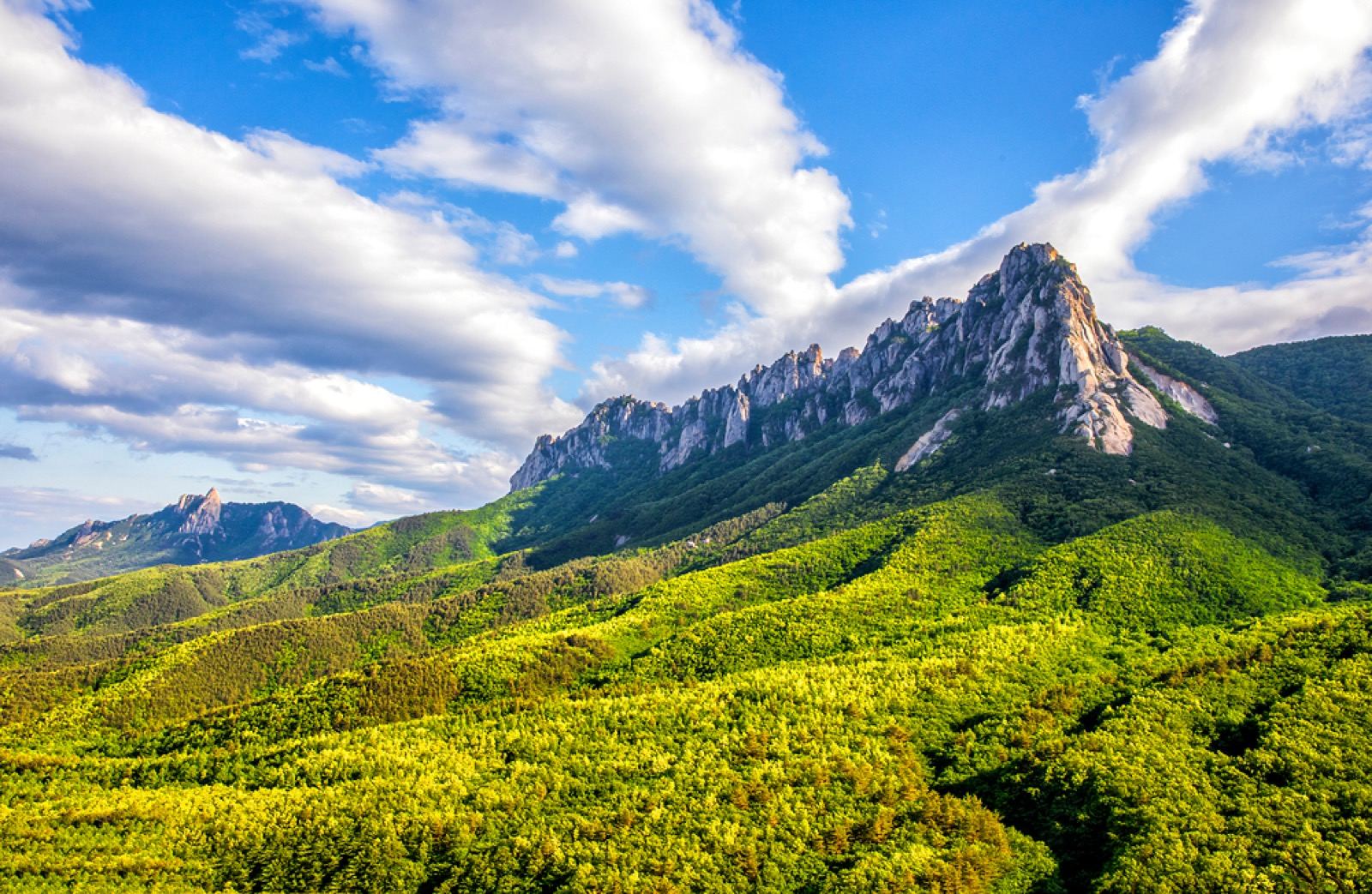
Sokcho is the east-coast town you base in to see Seoraksan, Korea's most loved national park, and the pairing makes an easy, rewarding two days. Seoraksan gives you granite peaks, a cable car and hikes for every fitness level; Sokcho gives you a working fishing harbor, some of the best street food on the coast, and a beach to end the day on. It's a few hours from Seoul and completely doable on public transport.
Here's how to put the two together without wasting time.
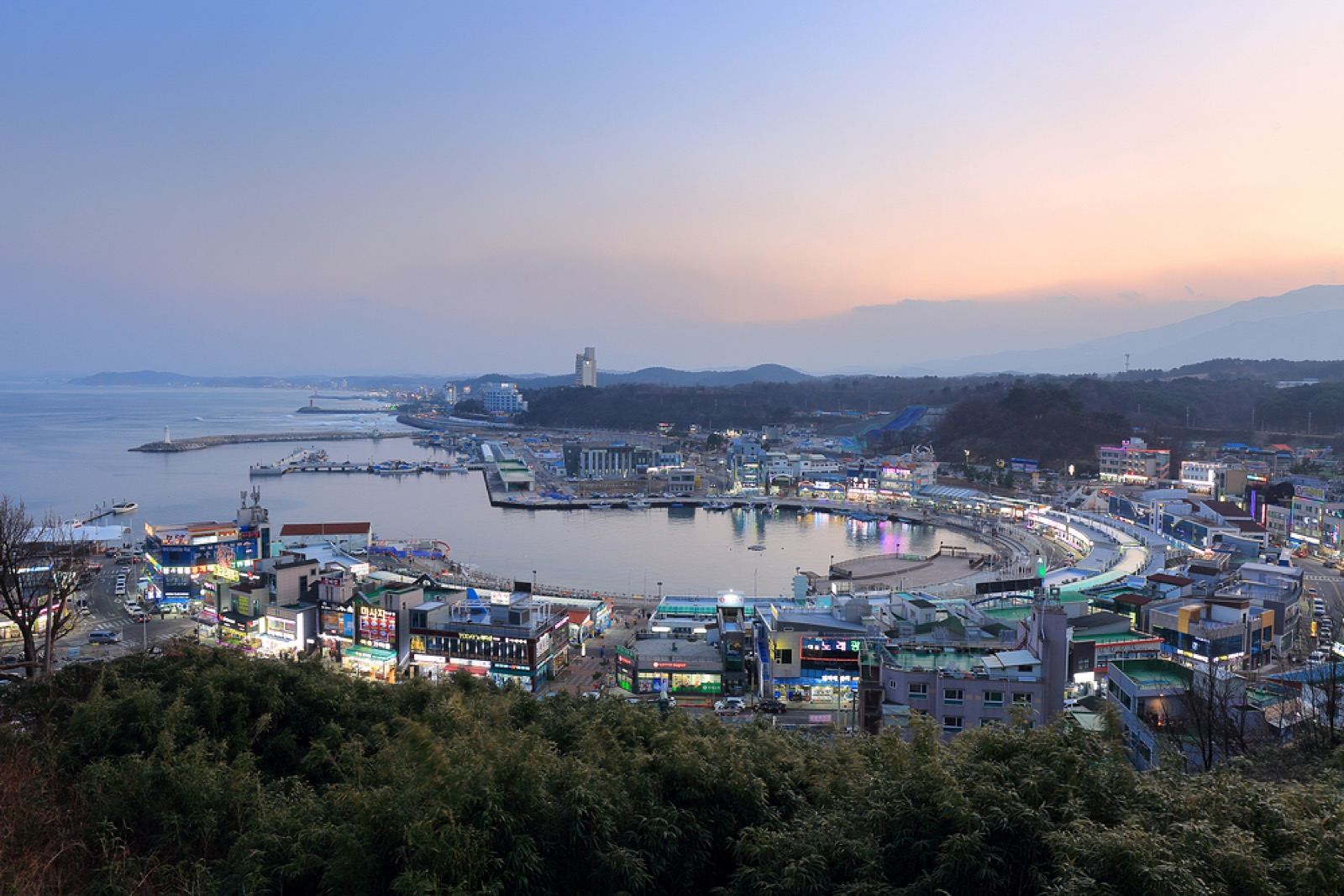
Where is Sokcho, and why go?
Sokcho sits on the northeast coast in Gangwon Province, right at the doorstep of Seoraksan. That location is the whole point: you get mountains and sea in one small town. Compared with a Seoul day trip to a crowded palace, this is fresh air, big scenery and a slower pace, and it's still one of the more accessible escapes from the capital.
How do you get to Sokcho?
The realistic answer is the express bus. Buses run frequently from Seoul (both the Express Bus Terminal and Dong Seoul) to Sokcho and take roughly two and a half hours as of 2026. There's no direct KTX to Sokcho yet — a high-speed rail line is under construction but not open, so ignore any old advice about taking the train straight there. Book the bus a day or two ahead for peak-season weekends and, above all, for autumn foliage dates, when seats sell out.
Once you're in Sokcho, local buses and short taxi rides connect the town, the beach and the Seoraksan park entrance. A taxi to the main park gate (Sogongwon) is quick and cheap if you're splitting it.
Seoraksan: the main event
Give Seoraksan a full day. The main gateway is Sogongwon, near the park's east entrance, and from there you can pick your level:
- Easy: the Gwongeumseong cable car lifts you to a rocky fortress viewpoint in a few minutes, with a short (steep, uneven) scramble to the top for a wide look over the peaks and out to the sea. This is the option if you're not up for a real hike.
- Easy-ish walks: the paved-then-rocky trail to Biryong Falls is a couple of gentle hours round trip, and the giant bronze Great Unification Buddha and Sinheungsa temple sit right by the entrance for a flat, quick visit.
- Serious: the hike up Ulsanbawi, the huge granite ridge on the cover of every Seoraksan photo, is a demanding half-day with a punishing final stretch of steel stairs. The view from the top is the reward, but don't attempt it casually — go early, take water, and check the weather.
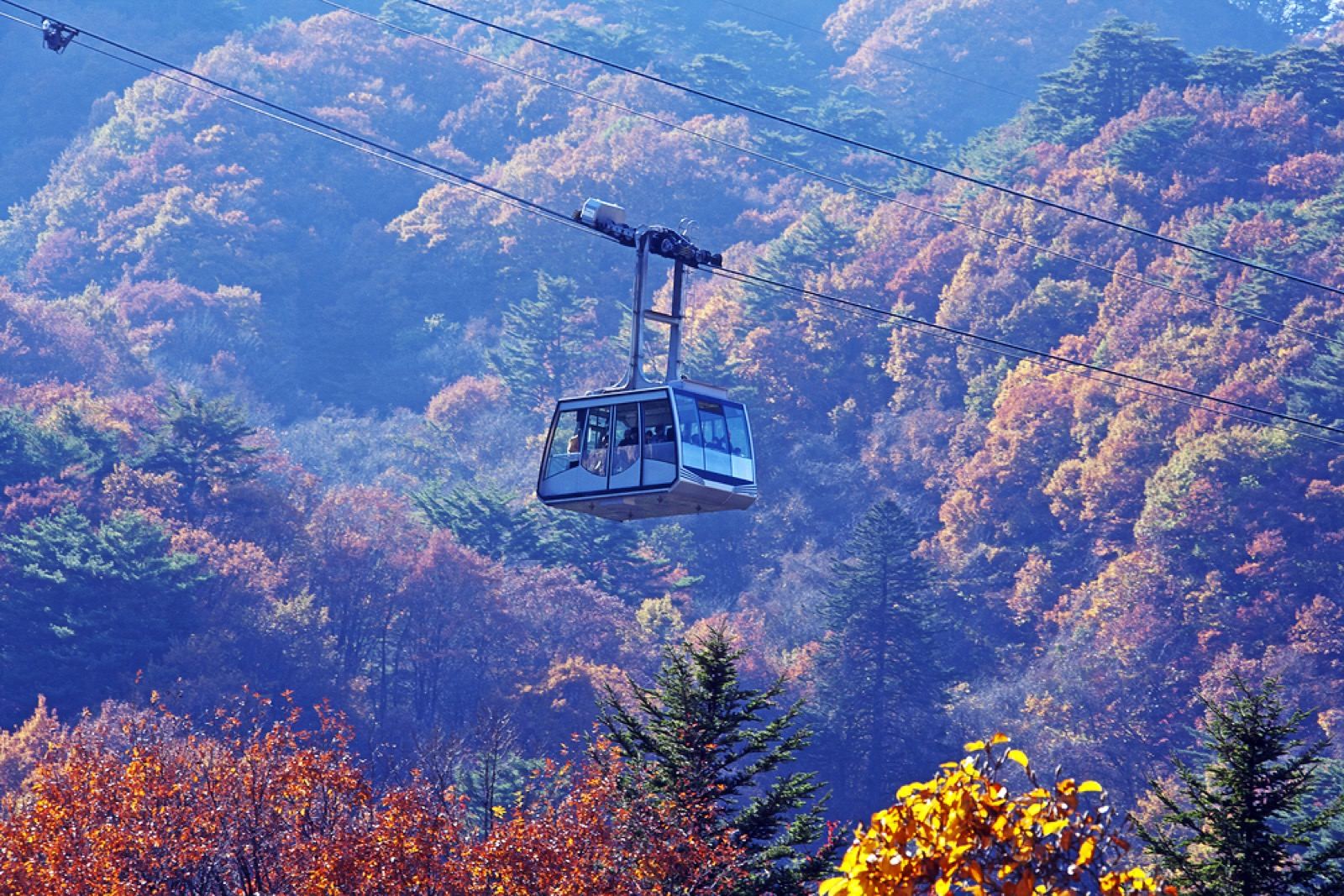
Seoraksan is a national park, so the cable car and some trails run on timed entry and can pause in bad weather or high wind. Check operating status the morning of, and start early — the last cars down fill up, and autumn queues are long.
When should you go?
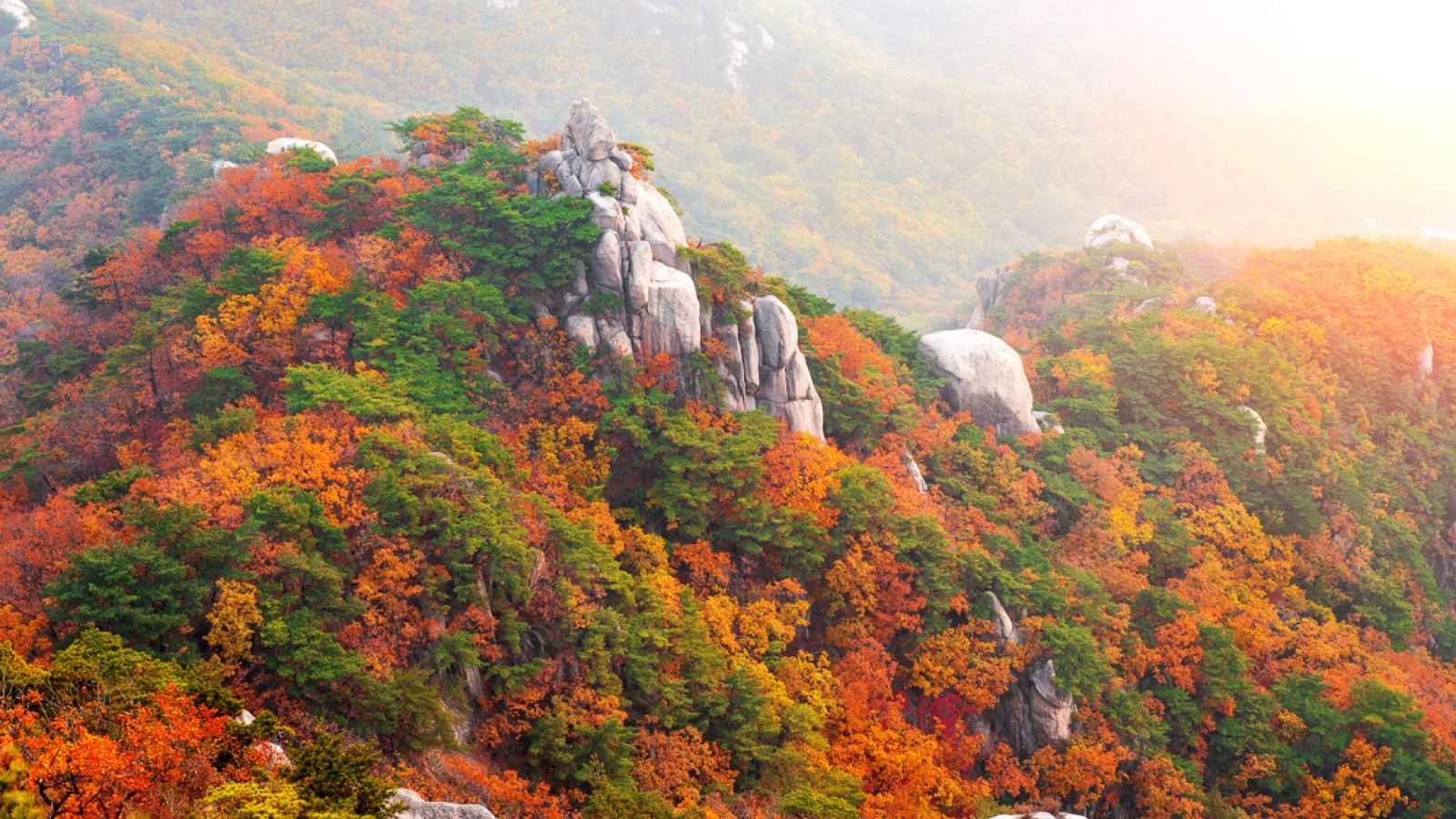
Autumn is Seoraksan's headline season, and it comes early. Because the park is high and northern, its foliage is usually among the first in Korea to turn, typically from mid-October into early November. That's the most beautiful time and, predictably, the busiest — book buses and any cable car slots well ahead.
- Autumn (mid-Oct–early Nov): peak color, peak crowds. Worth it.
- Summer: deep green, cool valleys, good for hiking away from the heat elsewhere.
- Spring: mild and quiet, with fresh green and the odd late blossom.
- Winter: stark and cold, sometimes snow-capped and stunning, but check trail closures.
What to eat in Sokcho
Sokcho punches well above its size on food, and most of it is tied to the sea:
- Dakgangjeong — crunchy, sweet-and-spicy fried chicken. Sokcho's Jungang Market is famous for it, and the queues at the well-known stalls move fast.
- Ojingeo sundae — squid stuffed with noodles and vegetables, a specialty of Abai Village, the settlement founded by North Korean refugees. Pair it with abai sundae while you're there.
- The hand-pulled ferry (galbae) — to reach Abai Village you can take a tiny raft that passengers pull across the channel by rope. It costs almost nothing and is half the fun.
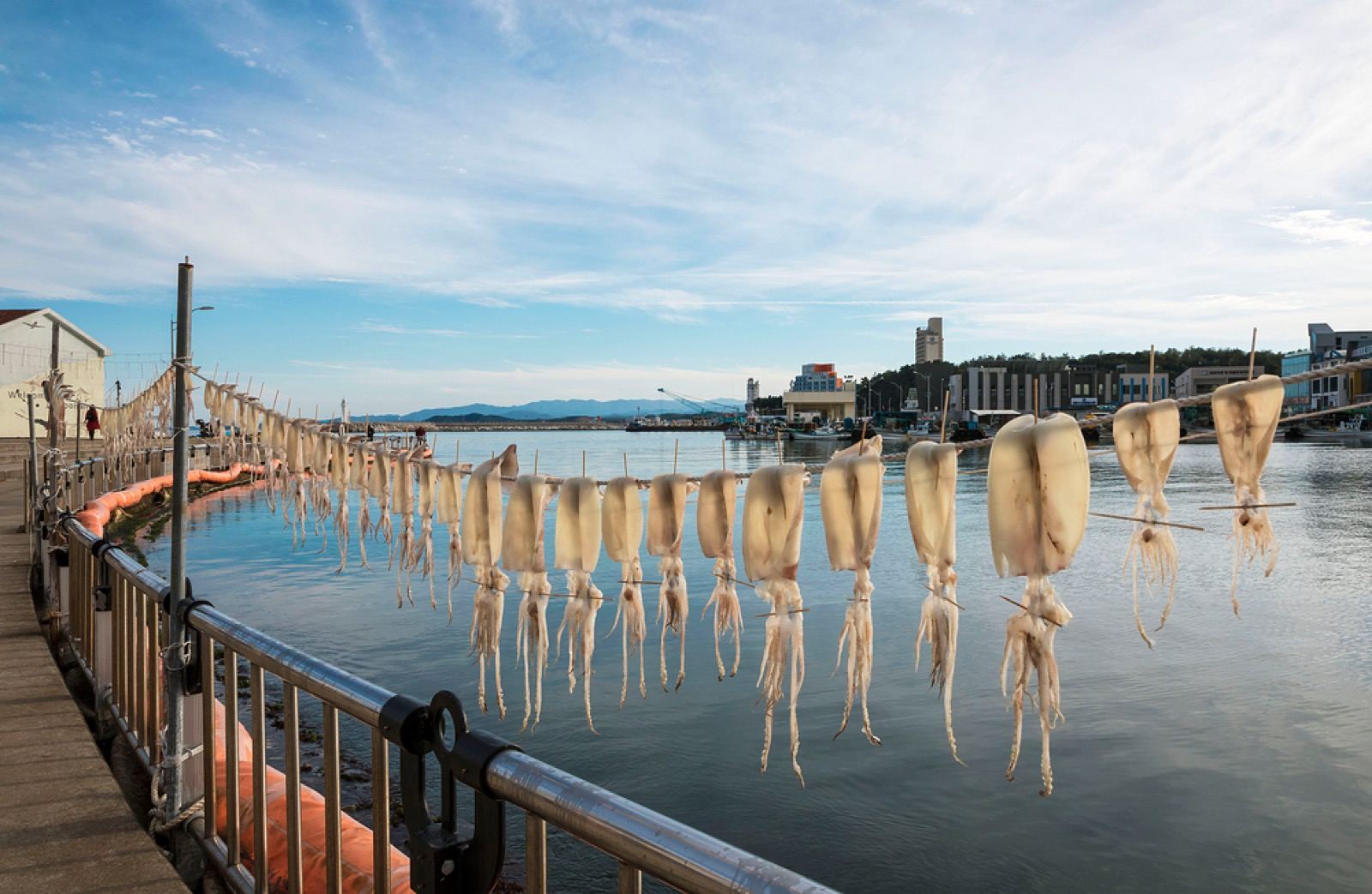
- Fresh squid and raw fish — the Daepohang port and the town markets sell it straight off the boats.
A simple two-day plan
- Day 1: Bus from Seoul, drop bags, spend the afternoon in town — Jungang Market for dakgangjeong, the hand-pulled ferry to Abai Village, and sunset on Sokcho Beach.
- Day 2: Early start for Seoraksan. Cable car plus Biryong Falls for an easy day, or Ulsanbawi if you're fit and the weather's clear. Late-afternoon bus back, or one more harbor dinner before you go.
How to do it
- Book the Seoul–Sokcho express bus ahead for weekends and any autumn-foliage date.
- Decide your Seoraksan effort level — cable car and falls, or the full Ulsanbawi climb — and start early either way.
- Check park and cable car status the morning you go; wind and weather can pause them.
- Leave the town for the evening, when the day-trippers have gone and the harbor food is at its best.
If you'd rather not juggle buses and timed tickets, a guided Seoraksan day or a nature experience handles the logistics and the park entry in one booking.
Find Seoraksan tours & east-coast experiences
Go in October if the timing works. Seoraksan's early foliage is the best reason to make the trip, and Sokcho's food and beach give you somewhere easy to land at the end of the day.