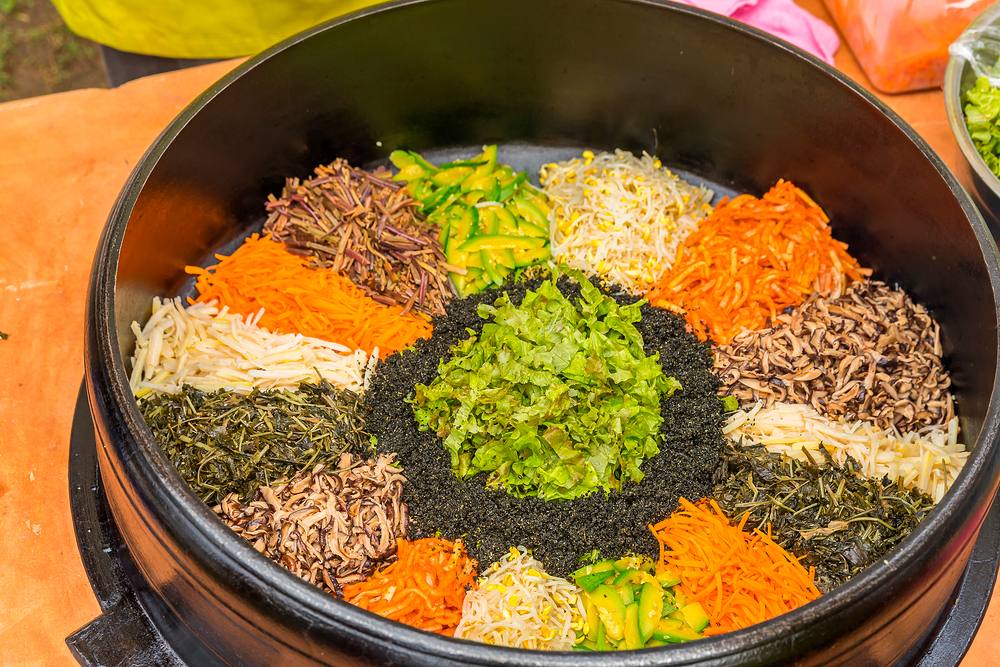
Eating vegetarian in Korea is very doable, but it takes a little planning: the cuisine leans heavily on meat and seafood, and hidden anchovy or beef stock turns up in dishes that look plant-based. The good news is that Korea has a whole vegetarian tradition of its own in temple food, plenty of naturally meat-free dishes, and a fast-growing vegan café scene in the cities. Here's how to eat well.
Is Korea hard for vegetarians?
Honestly, harder than Japan or Thailand, easier than it used to be. The traps are the invisible ones: many soups and stews are built on anchovy or beef broth, most kimchi contains fish sauce or salted shrimp, and "vegetable" dishes may still be seasoned with seafood. Strict vegetarians and vegans need to ask; pescatarians and the flexible will be fine anywhere.
Naturally veg-friendly Korean dishes
Plenty of Korean staples are vegetable-based or easily made so:
- Bibimbap — mixed rice with vegetables; ask for it without the egg and beef (and check the gochujang). Jeonju does the famous version.
- Japchae — sweet-potato glass noodles stir-fried with vegetables (confirm no beef).
- Sundubu-jjigae — soft tofu stew, if made with a vegetable rather than seafood base (ask).
- Bindaetteok — savory mung-bean pancakes, a market favorite.
- Namul & banchan — the little seasoned-vegetable side dishes that come with every meal.
- Gimbap — seaweed rice rolls; order a vegetable one (yachae gimbap) without ham or egg.
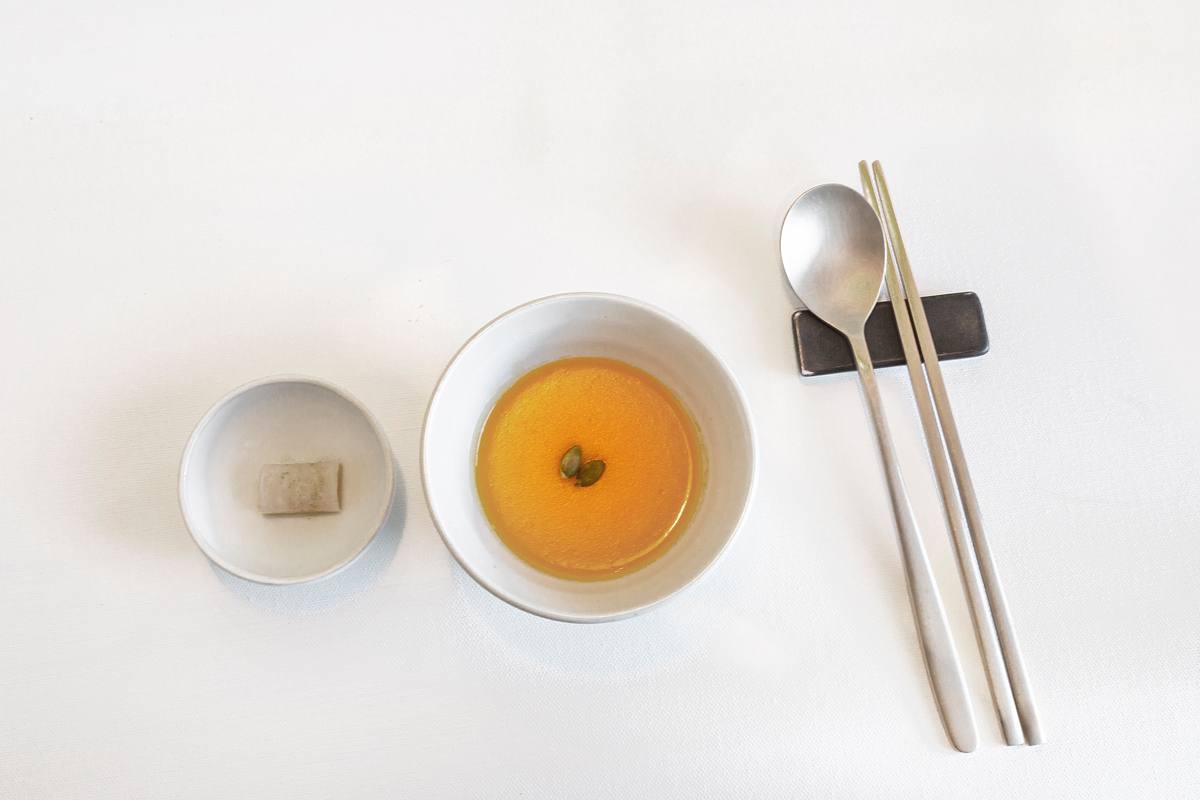
Temple food: the gold standard
The single best thing a vegetarian can do in Korea is seek out temple food (sachal eumsik), the vegan cuisine of Buddhist monasteries. It's naturally free of meat, fish, eggs and dairy (and even the pungent alliums), deeply seasonal, and genuinely refined — this is food that changes minds about vegetarian eating. Dedicated temple-food restaurants, templestay meals and cooking classes all let you try it. Our full guide is here: Korean temple food.
What to watch out for
The hidden non-veg ingredients to ask about:
- Anchovy or beef stock in soups, stews and even some "plain" noodle broths.
- Fish sauce or salted shrimp in most kimchi (temple kimchi is the exception).
- Egg on top of bibimbap and in gimbap.
- Meat or seafood bits hidden in otherwise vegetable dishes.
Vegan in the cities
Bigger cities, especially Seoul and Busan, now have a real vegan café and restaurant scene, from plant-based bakeries to full vegan Korean menus. Apps like HappyCow are the easiest way to find them on the go, and they fill the gaps between the traditional dishes above.
Useful phrases
A few Korean phrases go a long way:
- 저는 채식주의자예요 (jeoneun chaesikjuuija-yeyo) — "I'm a vegetarian."
- 고기 빼주세요 (gogi ppae-juseyo) — "No meat, please."
- 생선/계란 빼주세요 — "No fish / egg, please."
- Show them the words for anchovy stock (멸치육수) and fish sauce (액젓) to ask if a dish contains them.
The reliable move: build meals around temple food and the naturally veg dishes, use HappyCow in the cities, and always ask about the broth. Do that and you'll eat very well.
How to do it
- Learn the safe dishes (bibimbap no-egg, japchae, bindaetteok, veg gimbap) so you always have an order.
- Prioritize temple food — restaurants, a templestay meal, or a cooking class.
- Ask about stock and fish sauce, every time, for soups and kimchi.
- Use HappyCow in cities for dedicated vegan spots.
A temple-food or cooking experience is the most rewarding way in, and the surest fully plant-based meal you'll have in Korea.
Browse temple food & cooking experiences
Vegetarian Korea rewards a bit of homework. Lean on temple cuisine, learn a few phrases, and the country opens up plate by plate.