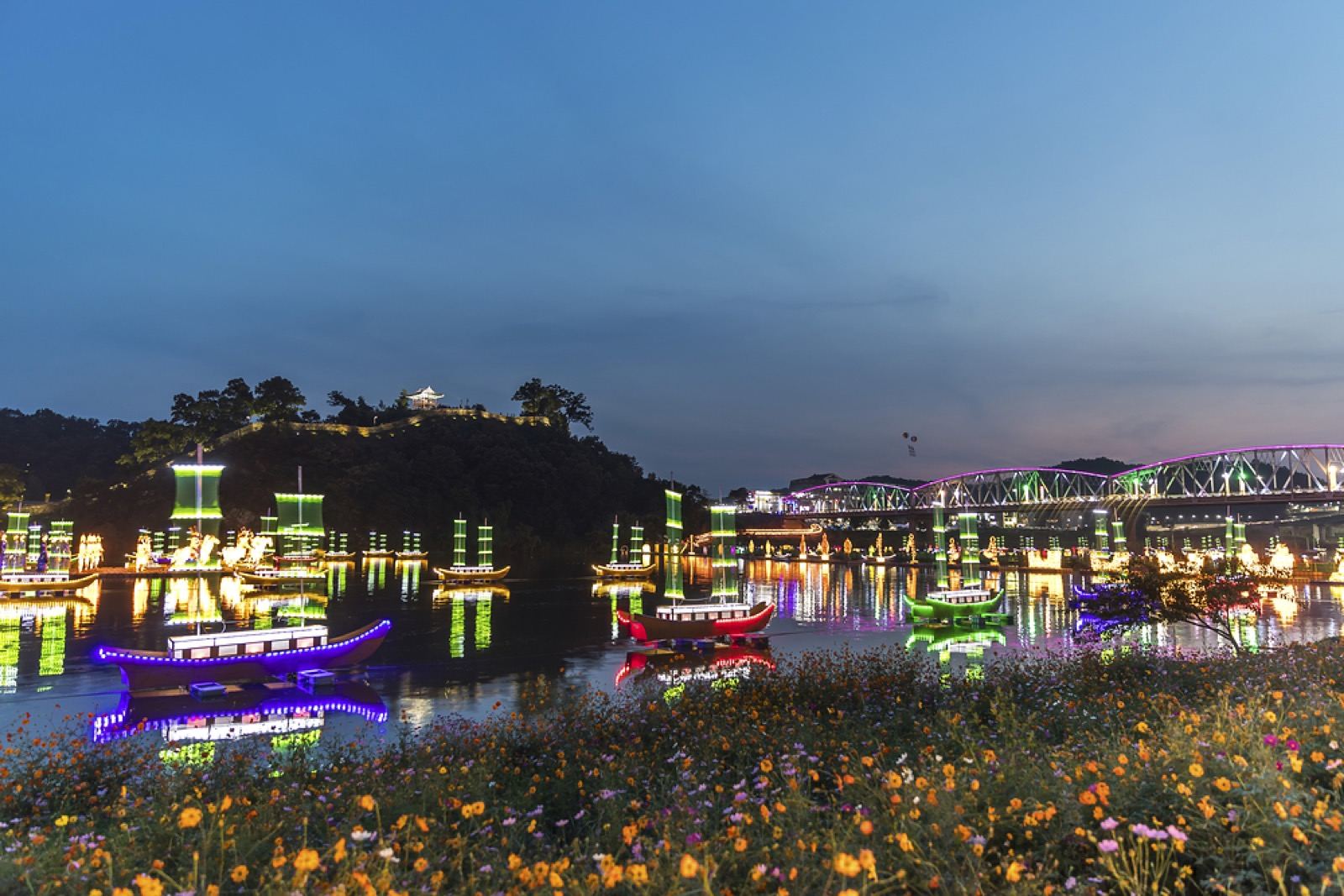
Gongju and Buyeo are two small Chungcheong towns that were once capitals of the Baekje kingdom, and together they make one of Korea's most rewarding history day trips. Baekje was one of the Three Kingdoms that ruled the peninsula until the 7th century, famous for refined craft and for exporting culture to ancient Japan, and its royal sites here are UNESCO World Heritage. There are no crowds and no theme-park polish — just real tombs, a river fortress and temple ruins in sleepy towns. Here's how to link them in a day.
Why Baekje, and why here?
Baekje moved its capital to Gongju (then Ungjin) and later to Buyeo (Sabi) in its final centuries, so the two towns hold the kingdom's tombs, fortresses and temples. Compared with Gyeongju's Silla grandeur to the southeast, Baekje's legacy is subtler and quieter — elegant, understated, and far less visited. That's exactly the appeal if you've had your fill of packed palaces.
Gongju: the fortress and the tombs
Start in Gongju, the closer of the two to Seoul and Daejeon. Two sites carry it:
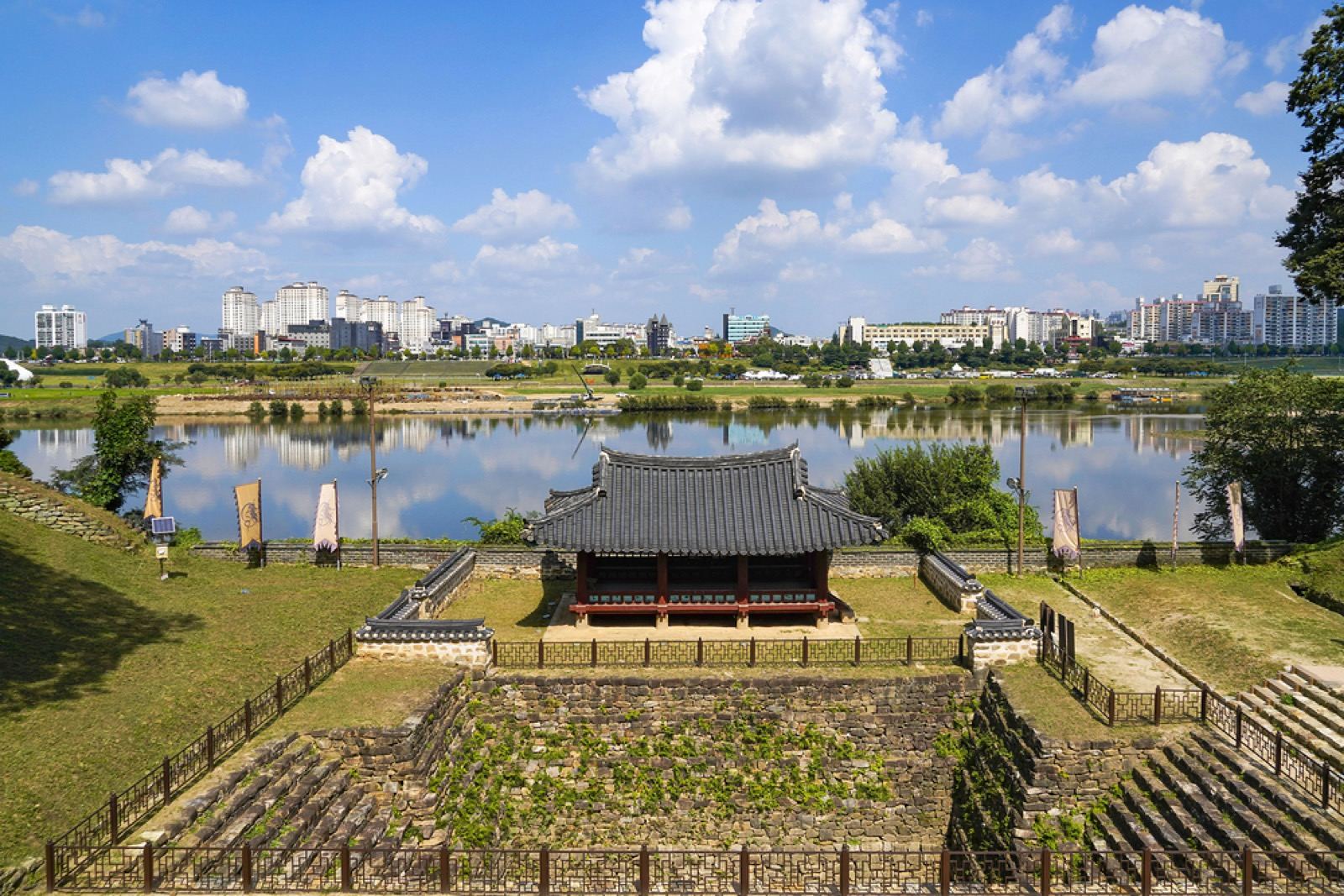
- Gongsanseong Fortress — a hilltop stone-and-earth fortress with a walking loop along the ramparts above the Geumgang river. The full circuit is an easy hour with river views the whole way. Go for the walk as much as the history.
- Royal Tombs of Songsan-ri & the Tomb of King Muryeong — the intact, brick-lined tomb of a Baekje king, discovered untouched in 1971. The tombs themselves are sealed for preservation, but the on-site museum shows the extraordinary gold crown ornaments and artifacts found inside.
Buyeo: the last capital
Buyeo, about 40 minutes south, was Baekje's final capital and is even quieter:
- Busosanseong & Nakhwaam — a wooded fortress hill above the river ending at Nakhwaam, the "rock of the falling flowers," tied to the legend of court women who leapt to the river as the kingdom fell. A gentle walk with a river-cruise option below.
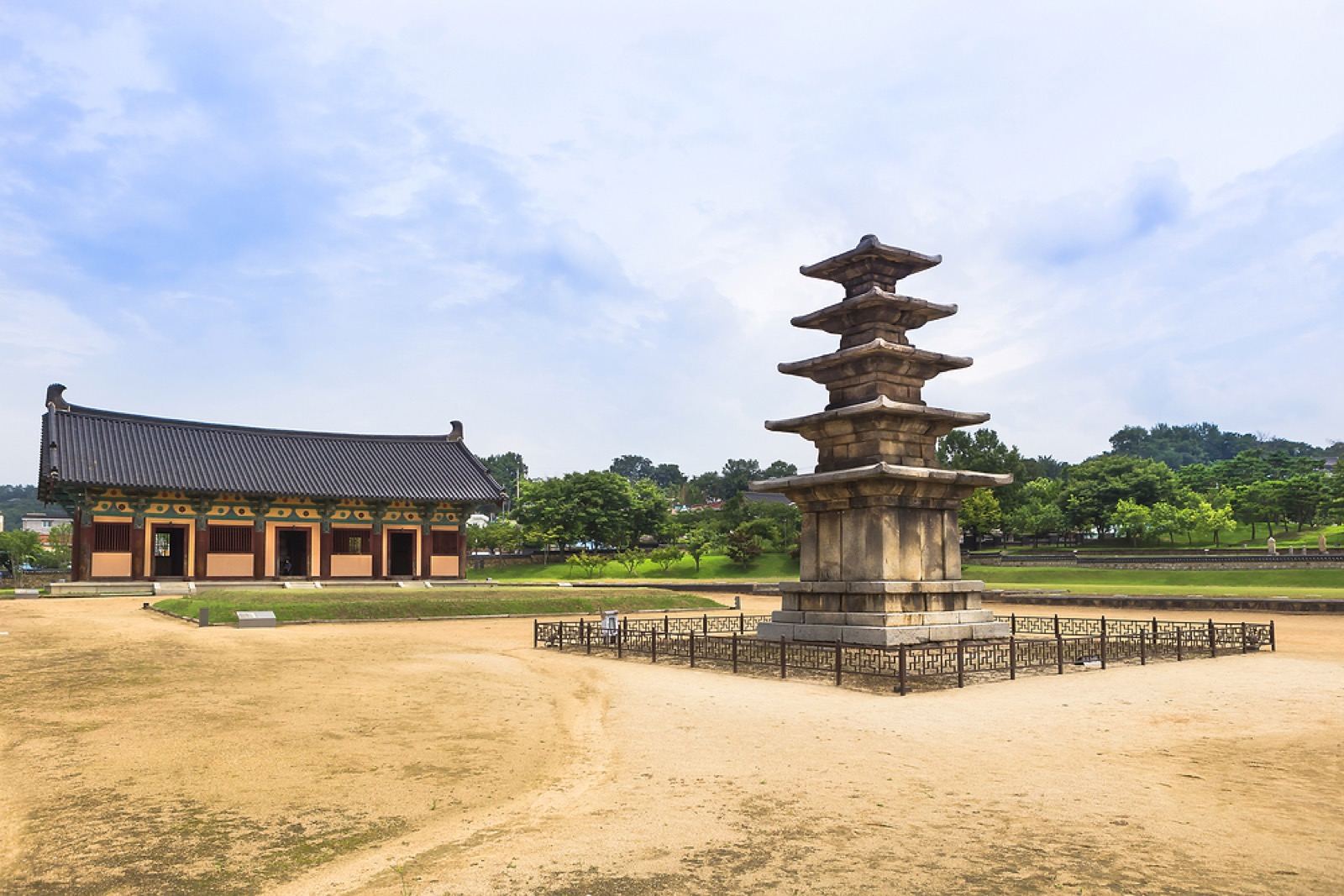
- Jeongnimsa Temple Site — an open field holding a rare five-story Baekje stone pagoda, one of the oldest surviving in Korea.
- Baekje Cultural Land & the National Buyeo Museum — a reconstructed palace complex and a strong museum if you want the fuller picture.
Baekje's sites are spread out and low-key, so this trip is about atmosphere and history, not big-ticket sights. Come in that frame of mind and the quiet is the reward, not the drawback.
How long do you need?
A full day, comfortably. Both towns are small and their sites are close together, so with your own wheels you can do Gongju in the morning and Buyeo in the afternoon. Without a car it's tighter — pick one town to do properly rather than rushing both.
What to eat
Chungcheong food is homely and cheap:
- Gukbap and lotus-leaf rice (yeonnip-bap) show up around Buyeo, tied to the region's lotus ponds.
- Beoseot (mushroom) dishes and jeongsik — a spread of countryside side dishes — are the local sit-down lunch.
- In Gongju, look for bam (chestnut) treats; the area is known for its chestnuts.
How to do it
- Base yourself in Daejeon or come from Seoul. Gongju is roughly 1.5–2 hours from Seoul by express bus, or quicker via Daejeon.
- Do Gongju first (fortress walk + royal tombs museum), then bus or drive to Buyeo for the afternoon.
- A rental car makes the day, linking the spread-out sites easily; without one, use intercity buses and focus on a single town.
- Check hours and any site closures for your date, especially at the museums.
If you're basing this trip on trains and buses from Seoul or Daejeon, having your rail pass and intercity connections sorted in advance keeps a two-town day from unraveling.
Sort trains & passes for your Korea trip
Go for the quiet as much as the history. Gongju and Buyeo won't overwhelm you with crowds, and that's precisely why the Baekje kingdom feels closer here than almost anywhere else in Korea.