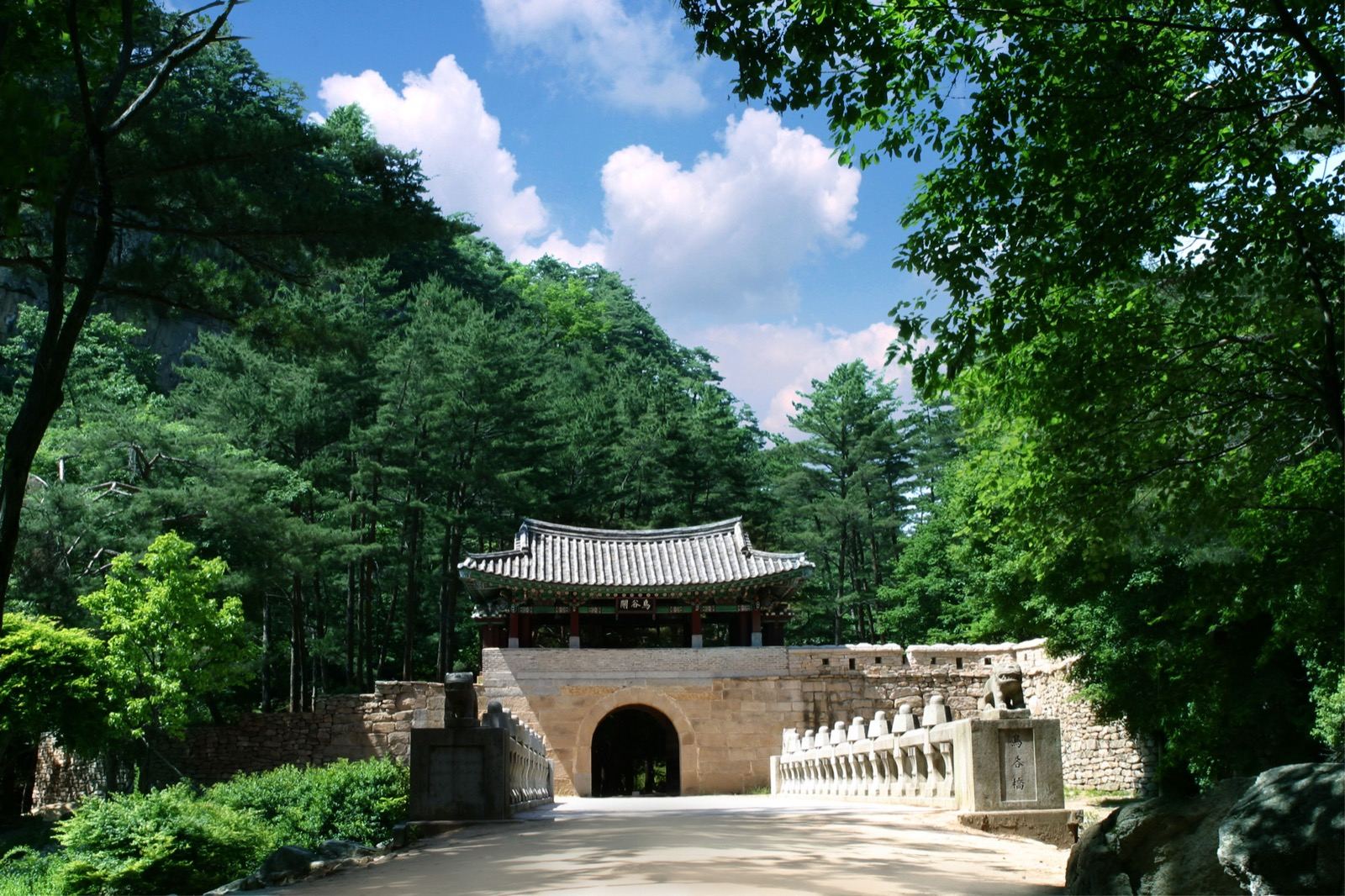
Mungyeong Saejae is a historic mountain pass in rural Gyeongbuk — a gentle, mostly flat walking trail through three old stone gates that was once the main route between Seoul and the southeast. It's paired with one of Korea's biggest open-air Joseon film sets and some of inland Korea's best autumn foliage (peak late Oct–early Nov). Add the Mungyeong Rail Bike and local omija berry products. There's no KTX — take an intercity bus from Seoul's Dong Seoul terminal (about 2 hours), then a local bus or taxi.
Mungyeong Saejae is a historic mountain pass in rural Gyeongbuk, a gentle walking trail through three old stone gates that was once the main route between Seoul and the southeast — and it's now paired with a huge open-air film set and some of inland Korea's best autumn color. It's a quiet, scenic half-day almost no foreign visitors reach, which is half the appeal. Here's how to do it.
What's here, at a glance
| Sight | What it is | Best for |
|---|---|---|
| Saejae pass trail | Flat walk through 3 stone gates | Autumn foliage, easy stroll |
| Open Set | Full Joseon-era film town | K-drama fans, history |
| Mungyeong Rail Bike | Pedal cart on old railway | Families, river scenery |
| Omija products | Five-flavor berry juice/tea/wine | Edible souvenir |
Walking the pass
The heart of Mungyeong is the Saejae trail, a wide, mostly flat gravel path climbing gently through the valley past three fortress gates — Juheulgwan, Jogokgwan and Joryeonggwan. In the Joseon era this was the busiest pass in the country, trodden by scholars heading to the civil-service exams in Seoul (locals still say walking it brings good luck on tests). Today it's an easy, beautiful stroll:
- The full three-gate walk is a relaxed few hours; most people turn back after the first or second gate.
- It's stroller- and family-friendly — no real climbing.
- Streams, old milestones and pavilions line the way.
The film set
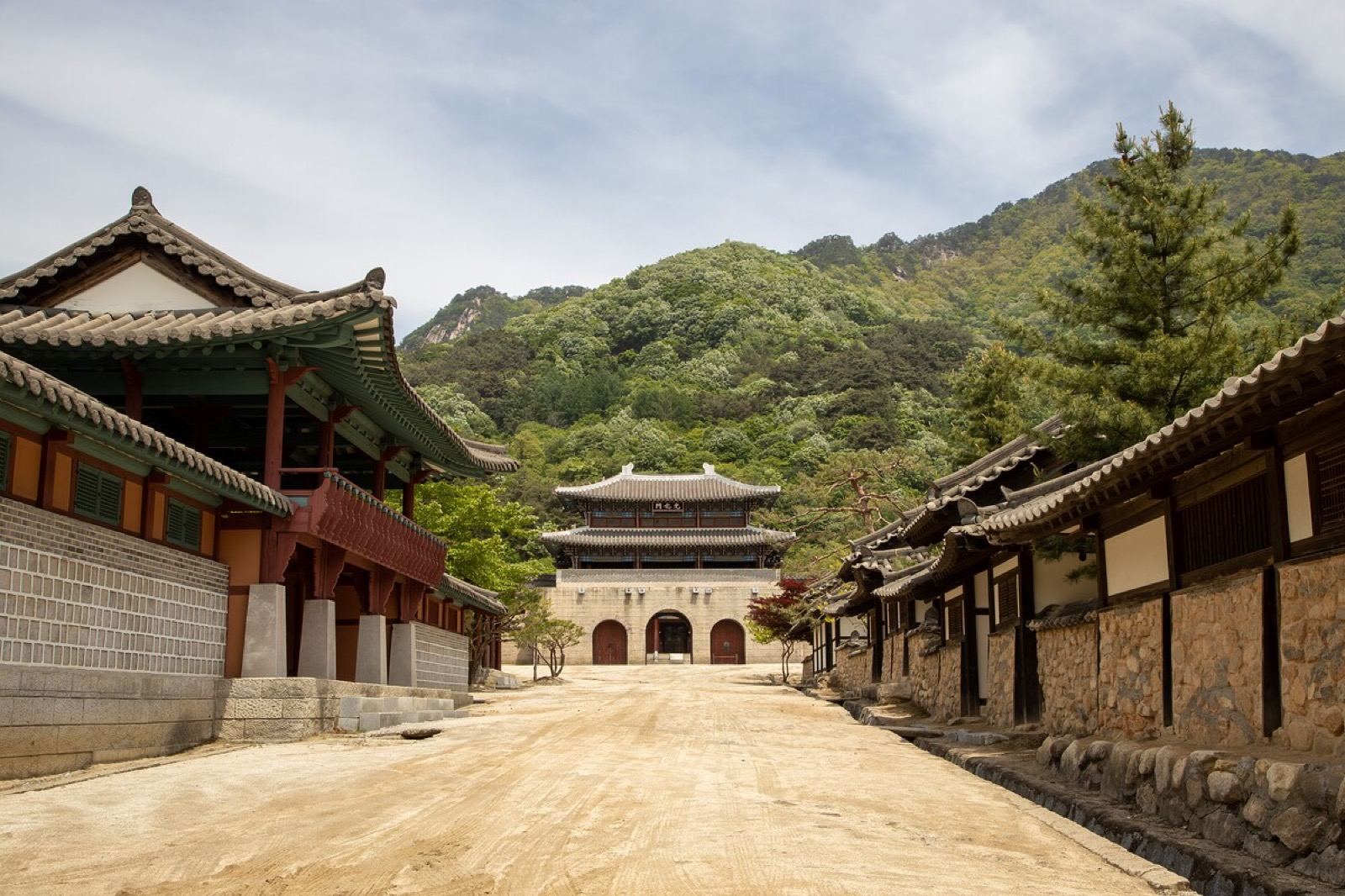
Right by the trailhead sits the Mungyeong Saejae Open Set, a full reconstructed Joseon-era town — palace, government offices, market streets, thatched houses — built for historical K-dramas and films. It's one of the biggest period sets in Korea and genuinely fun to wander, drama fan or not. You'll recognize backdrops from shows you've half-watched.
What else is around
- Mungyeong Rail Bike — pedal an old railway line through tunnels and river scenery, one of the original and best rail-bike courses in the country.
- Jinnam Gyogwon / Jinnam Lake monorail — a monorail and viewpoints over a dramatic river bend.
- Mungyeong Ceramics — the area has a long pottery tradition and a ceramics museum and festival.
- Omija (five-flavor berry) — Mungyeong's signature crop, sold as juice, tea and even a local sparkling wine.
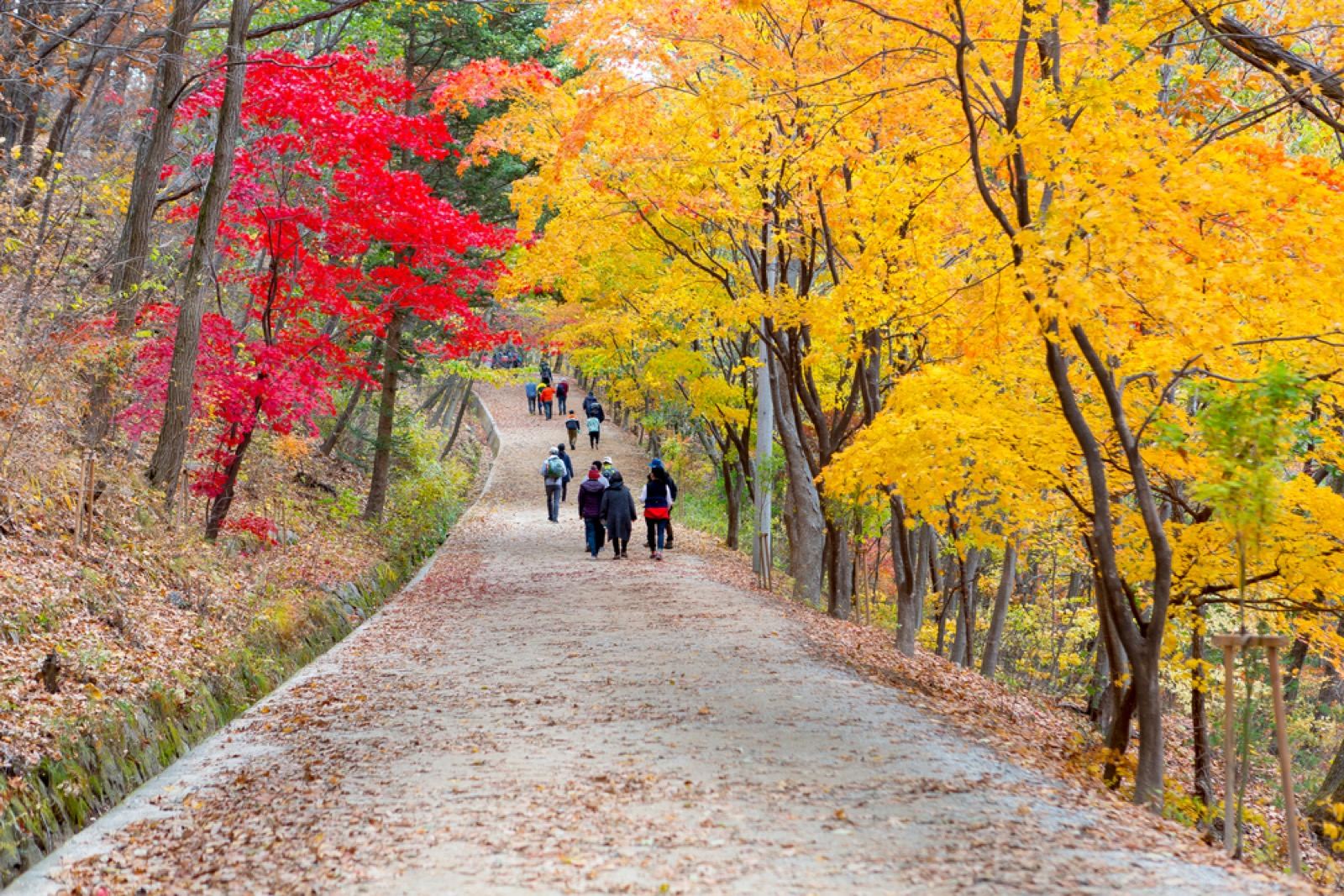
Come in late October if you possibly can. The Saejae valley turns gold and red, the walk is cool and easy, and the film set makes a perfect low-effort second stop.
When to go
- Autumn (late Oct–early Nov): peak foliage; the headline season.
- Spring/summer: green and quiet, good for the rail bike.
- Winter: stark but walkable; the set stays open.
Getting to Mungyeong
- Bus is the practical route: intercity buses run from Seoul's Dong Seoul terminal to Mungyeong (Jeomchon), roughly 2 hours as of 2026, then a local bus or taxi to Saejae.
- There's no KTX to Mungyeong itself; a rail line is planned but check current status.
- A rental car makes linking Saejae, the rail bike and Jinnam easier.
How to do it
- Bus from Dong Seoul to Mungyeong, then taxi/bus to the Saejae trailhead.
- Walk the pass — at least to the first or second gate.
- Tour the film set by the entrance.
- Add the rail bike if you've got the afternoon.
- Pick up omija juice or tea before you leave.
Sorting your bus and any onward transport ahead keeps a Mungyeong day simple, especially on autumn weekends.
Sort trains & passes for your Korea trip
Frequently asked questions
What is Mungyeong Saejae?
Mungyeong Saejae is a historic mountain pass in rural Gyeongbuk, with a gentle walking trail through three old stone gates that was once the main route between Seoul and the southeast. It's now paired with a large open-air Joseon film set and is known for inland Korea's best autumn foliage.
How do you get to Mungyeong Saejae?
There's no KTX to Mungyeong. Take an intercity bus from Seoul's Dong Seoul terminal to Mungyeong (Jeomchon), about 2 hours, then a local bus or taxi to the Saejae trailhead. A rental car helps for linking the pass, rail bike and other sights.
Is the Mungyeong Saejae walk difficult?
No — it's a wide, mostly flat gravel path that climbs gently through the valley. The full three-gate walk is a relaxed few hours, and most people turn back after the first or second gate. It's stroller- and family-friendly.
When is the best time to visit Mungyeong Saejae?
Late October to early November for peak autumn foliage, when the valley turns gold and red — the headline season. Spring and summer are green and quiet and good for the rail bike, and the film set stays open in winter.
What is the Mungyeong Saejae film set?
It's a full reconstructed Joseon-era town — palace, government offices, market streets and thatched houses — built for historical K-dramas and films, and one of the biggest period sets in Korea. It sits right by the trailhead and is fun to wander, drama fan or not.
What else is there to do in Mungyeong?
Ride the Mungyeong Rail Bike along an old railway through tunnels and river scenery, visit the Jinnam Lake monorail and viewpoints, explore the area's ceramics tradition, and try omija (five-flavor berry) juice, tea or local sparkling wine.
Go for the easy, gorgeous walk and the time-capsule film set. Mungyeong is one of inland Korea's most pleasant, least-crowded autumn days.