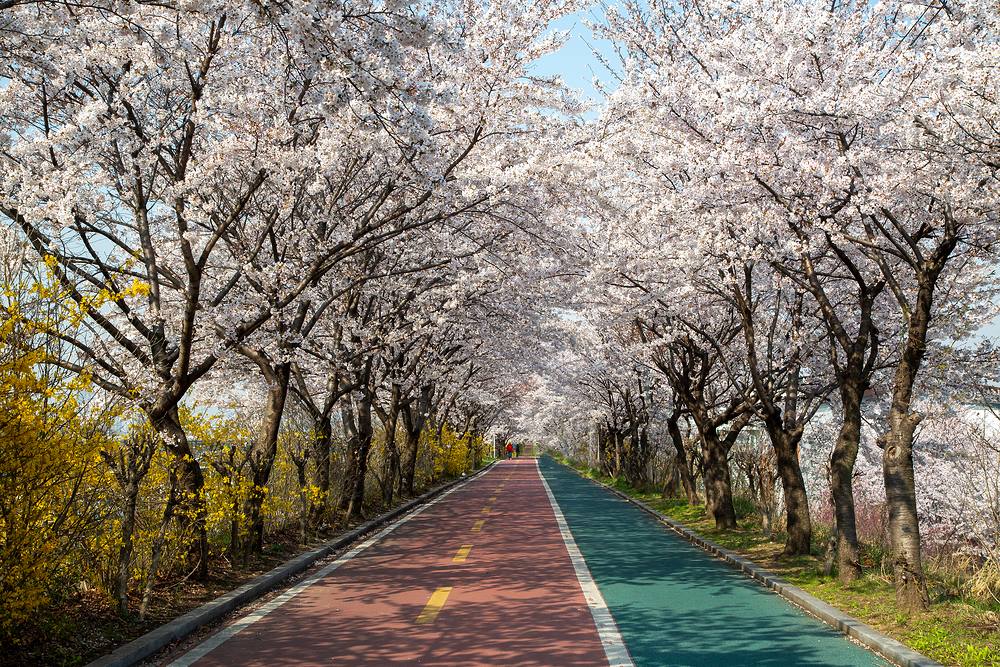
If you can flex your dates, time your Korea trip around a festival. The country runs hundreds of them, and the best are almost all outside Seoul, in coastal towns, riverside cities and mountain valleys. One well-timed night can end up being the thing you remember most, and a festival gives you a reason to visit a smaller city you'd otherwise never route through.
Festival dates shift a little every year. Treat the months below as a guide, and check the official festival site for the current year's exact dates before booking travel.
Spring: blossoms and light
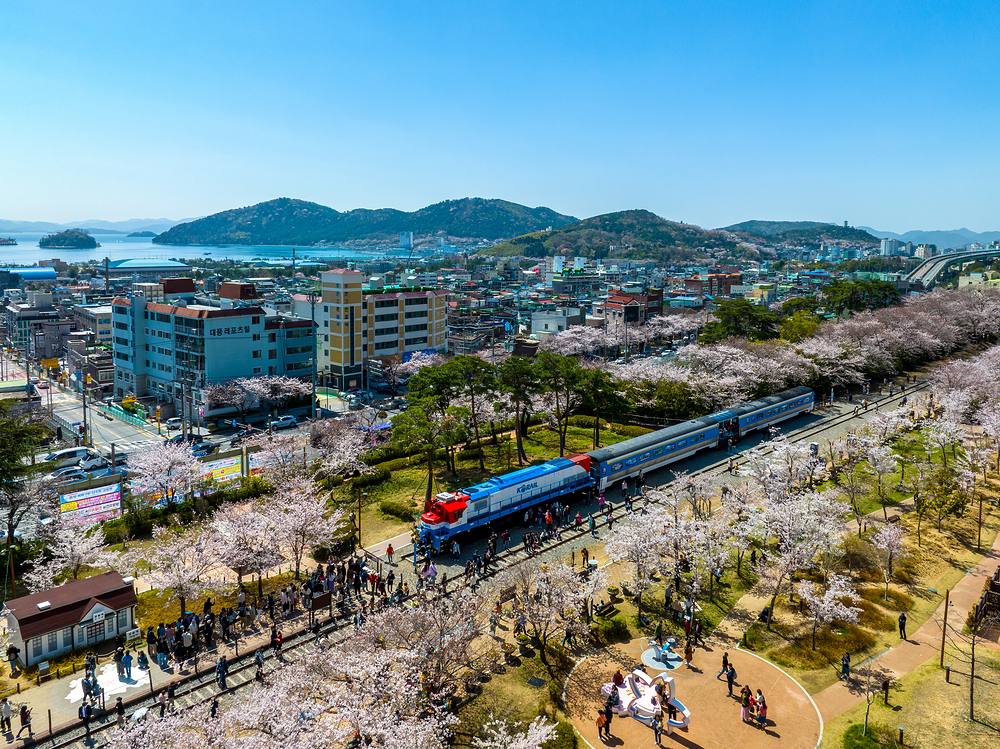
- Jinhae Gunhangje (near Busan and Changwon) is Korea's most famous cherry-blossom festival, usually in early April. Blossoms tunnel over an old railway line and a stream, with Yeojwacheon and Gyeonghwa Station drawing the biggest crowds. It's a very easy add-on to a Busan trip. Go on a weekday if you possibly can, because the weekend crush is real.
- Regional flower festivals run nationwide through April and May: canola on the islands, azaleas on the mountains, the green-tea fields opening in Boseong and Hadong. Wherever you are in the south, ask a local what's flowering that week.
Summer: water and fireworks
- Boryeong Mud Festival on the west coast runs mid-to-late July and is exactly what it sounds like: a wide beach, a lot of mineral-rich mud, and a heavily international crowd. It's one of the few Korean festivals foreigners already know, and it's a blast. Bring clothes you don't mind ruining.
- Busan Sea Festival and coastal fireworks carry on through summer at Haeundae and Gwangalli beaches. The bigger Busan Fireworks Festival over Gwangan Bridge usually lands in autumn and is worth planning a Busan night around.
Autumn: the peak season
Autumn is festival high season. The weather is at its best and the whole country seems to be celebrating something.
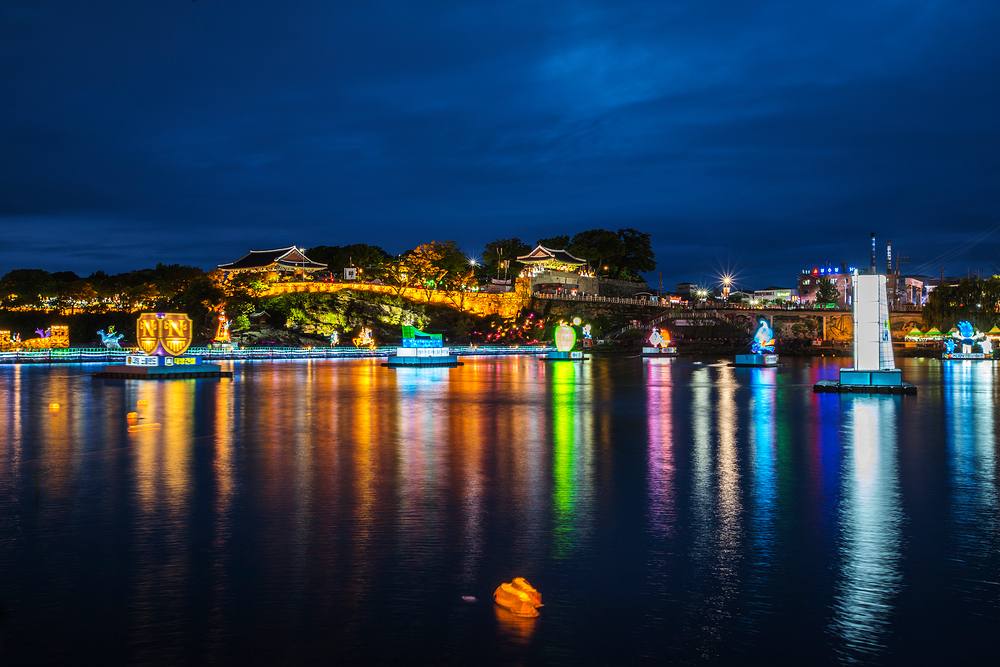
- Jinju Namgang Yudeung (Lantern) Festival, usually in October, floats thousands of glowing lanterns on the Nam River around Jinjuseong Fortress, and you can launch your own wish lantern. It's one of the most photogenic nights in the country.
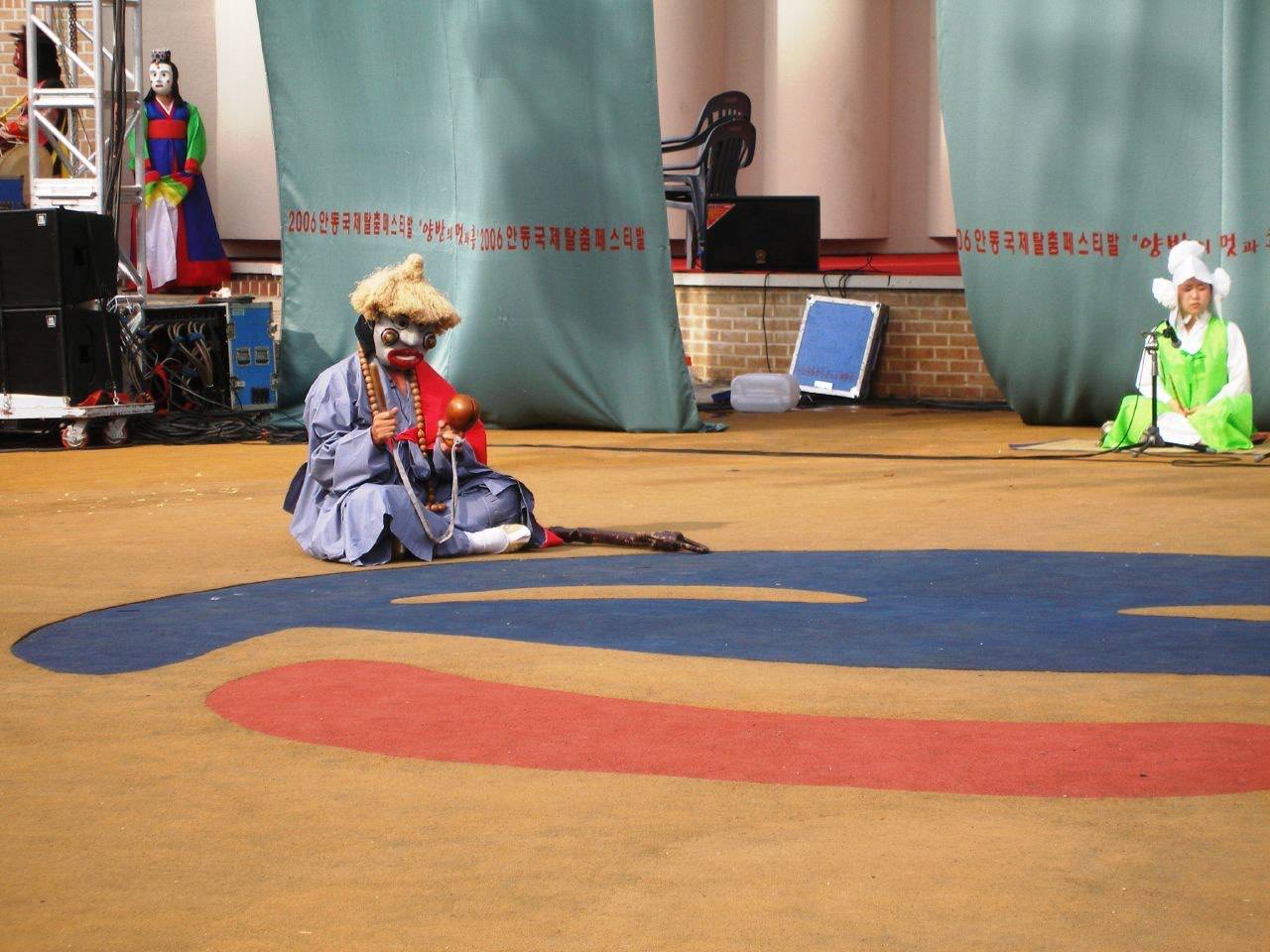
- Andong Maskdance Festival, typically late September into October, stages traditional mask dances (talchum) in the heartland of Confucian culture. Pair it with the UNESCO-listed Hahoe Folk Village nearby.
- Autumn foliage festivals light up the mountains from mid-October to early November, from Seoraksan in the east to the maples around Gyeongju's temples.
Winter: ice and snow
- Hwacheon Sancheoneo Ice Festival, usually in January, has you ice-fishing for mountain trout through holes drilled in a frozen river, alongside ice sculptures, sledding and barehand fishing for anyone brave enough. It's regularly named among the world's great winter festivals, and it lives up to it.
- Taebaeksan Snow Festival and various light festivals brighten the coldest months across the mountain regions.
How to plan around a festival
- Book early. Festival weekends spike hotel demand in small towns, so reserve rooms and KTX seats well ahead, or base yourself a short train ride away and commute in.
- Go for the region, not just the event. Jinju, Andong, Hwacheon and Boryeong all reward a full day even setting the festival aside.
- Check transport. Some festivals run shuttle buses from the nearest station; others are a short taxi from a KTX stop. If you're not staying over, confirm the last train or bus back before you settle in.
- Weekdays beat weekends. The big-name festivals get very busy on Saturdays, and a weekday visit is calmer and easier to photograph.
Most of these towns connect to the KTX and intercity bus network, and a rail pass makes hopping between them cheaper if you're chaining a few festivals together.