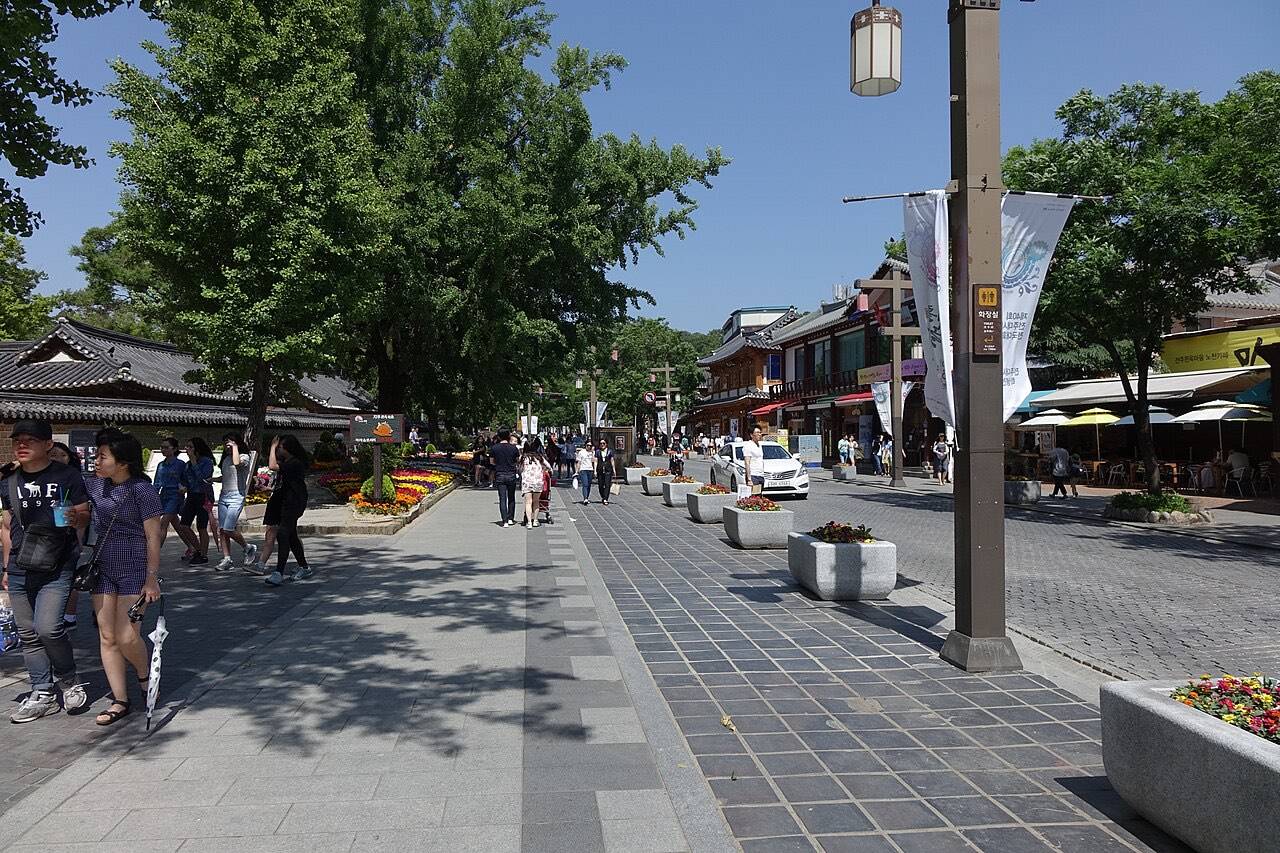
A short craft workshop is the best-value cultural experience in Korea, and the one most tourists walk straight past on their way to photograph a palace. Korea's craft traditions are still alive and much of it is open to visitors as beginner-friendly classes that run in English. You don't need any skill or a word of Korean. You just need to know these exist and book a slot ahead. Here's what to try, where, and how.
Wear it: hanbok rental
Renting a hanbok (traditional dress) for a few hours is the easiest way in, and our pick for a first cultural experience. You'll see plenty of Koreans doing it too, so you won't feel like the only tourist playing dress-up.
- Where: the lanes of Jeonju Hanok Village, the historic core of Gyeongju, and the streets around Seoul's palaces are the classic backdrops.
- A real perk: many palaces and heritage sites waive the entry fee for anyone in hanbok, so the rental can pay for itself.
- How: rental shops cluster right by the sites and rent by the hour, with hair styling and accessories included. Walk in on a quiet day, or book ahead on weekends and in peak season.
- Tip: go early or late for softer light and thinner crowds in your photos.
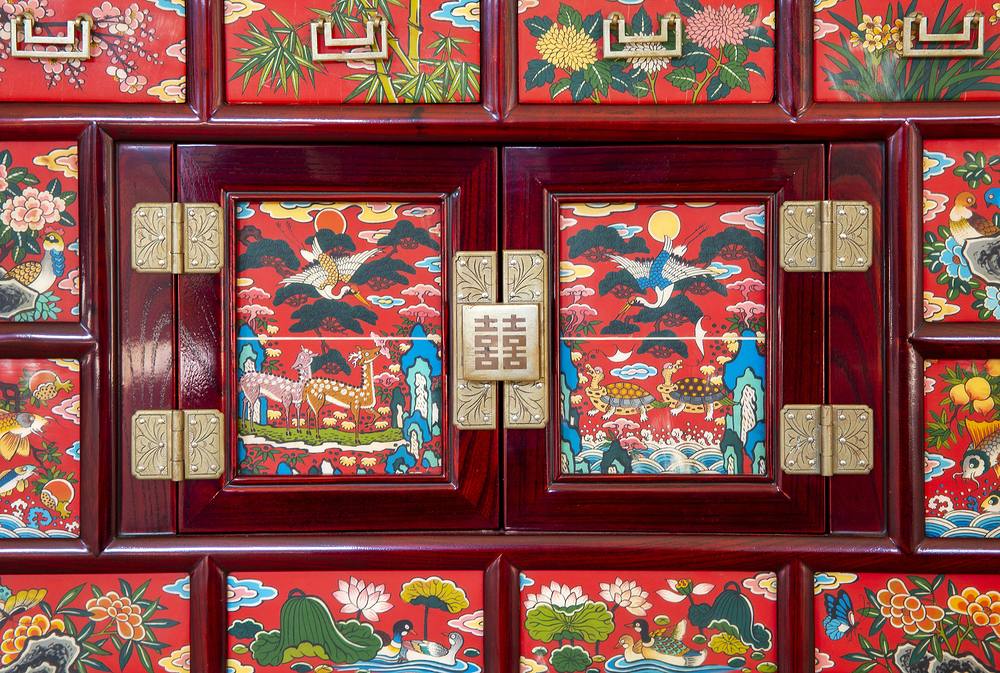
Make it: crafts to try
- Hanji (traditional paper): fold, dye or build a lantern, fan or notebook from Korea's mulberry paper. Jeonju is the hanji capital and the best place to try it.
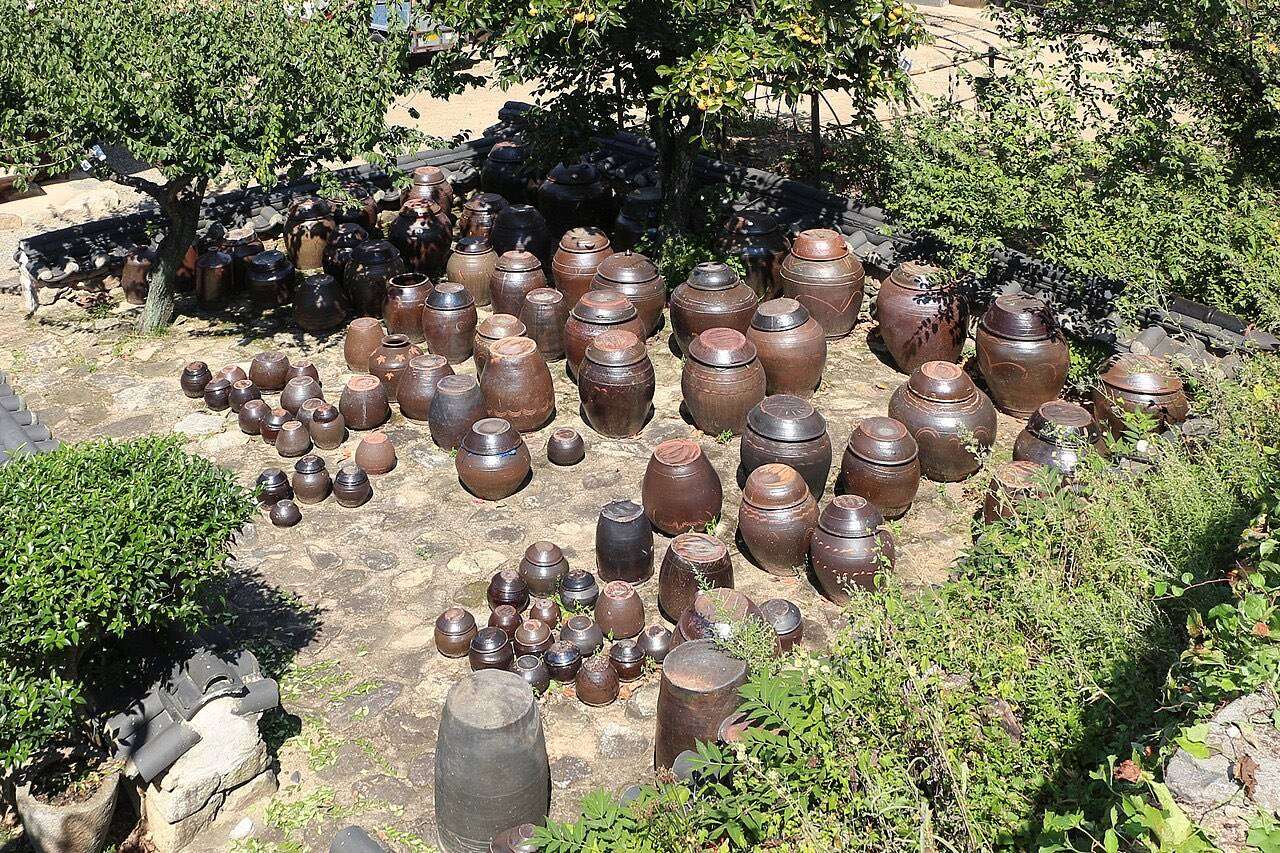
- Pottery and ceramics: the tradition runs from refined celadon to the humble onggi jar. Throw a bowl on the wheel at a studio, or visit a kiln town. Many workshops will glaze and ship your piece so it follows you home rather than riding in your luggage.
- Tea ceremony (dado): learn to brew and serve Korean tea in a hanok or temple setting. It's calm and meditative, and often paired with making your own rice sweets.
- Korean cooking class: roll your own kimbap, make a batch of kimchi, or cook a home-style meal from scratch, then sit down and eat what you made.
- Natural dyeing and traditional knots (maedeup): smaller studios teach these lesser-known crafts for a quieter, off-the-beaten-path afternoon.
Why these beat another museum
You leave with a skill and a keepsake instead of another folder of palace photos. The classes put money straight into the hands of small artisans keeping old crafts going, and most run indoors, which makes them the obvious plan for a rainy afternoon between sightseeing days. Cooking and tea classes in particular are a low-pressure way to meet other travelers if you're on your own.
Most workshops are 1–2 hours, beginner-friendly, and run in English at the tourist-facing studios. No talent required, just show up curious.
How to do it well
- Pick one craft per city so it slots into your day instead of crowding it: hanbok in Jeonju, tea near a temple, pottery on a slow afternoon.
- Book popular classes ahead. Small studios have limited slots, especially on weekends and holidays.
- Confirm the language. Check that English guidance is included if you want real instruction rather than just a materials kit.
- Allow shipping time for pottery or anything fragile, and ask about international delivery when you book.
- Combine with the neighborhood. A hanji class in Jeonju pairs naturally with a hanbok stroll through the same hanok lanes.
Where to base yourself
- Jeonju is the all-rounder: hanbok, hanji, food and hanok stays in one walkable village.
- Gyeongju sets crafts against a thousand years of Silla history.
- Busan and the south coast pair cooking classes and pottery studios with beach and city time.
You can book classes and hanbok, craft and cooking experiences across Korea in English.