Jeonju is Korea's food capital, and it has the credentials to prove it: a UNESCO City of Gastronomy, the birthplace of the country's most famous rice dish, and a place where even a cheap lunch arrives with a table full of free side dishes. You could visit Jeonju just to eat, and plenty of Koreans do. Here's how to spend a very good day of it. (For the sights, see our Jeonju destination guide.)
Jeonju bibimbap: the real thing
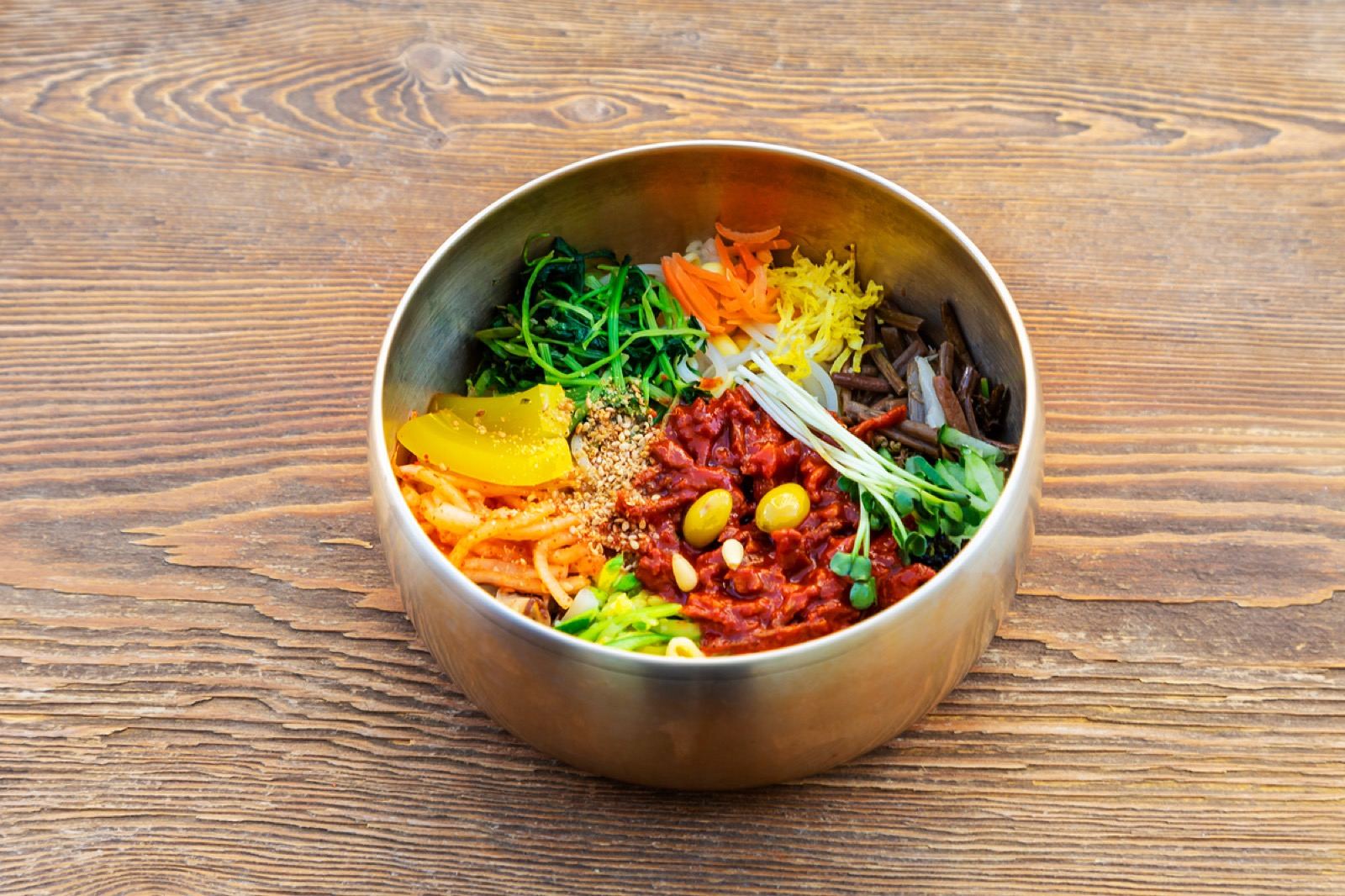
Bibimbap is Korean mixed rice — warm rice topped with seasoned vegetables, beef, a raw or fried egg, and a dollop of gochujang, all stirred together before you eat. Jeonju's version is the benchmark: more toppings, better rice (traditionally cooked in beef stock), and served in a brass bowl. Order it here at least once and you'll understand why the city is famous for it.
Kongnamul gukbap: the morning-after bowl
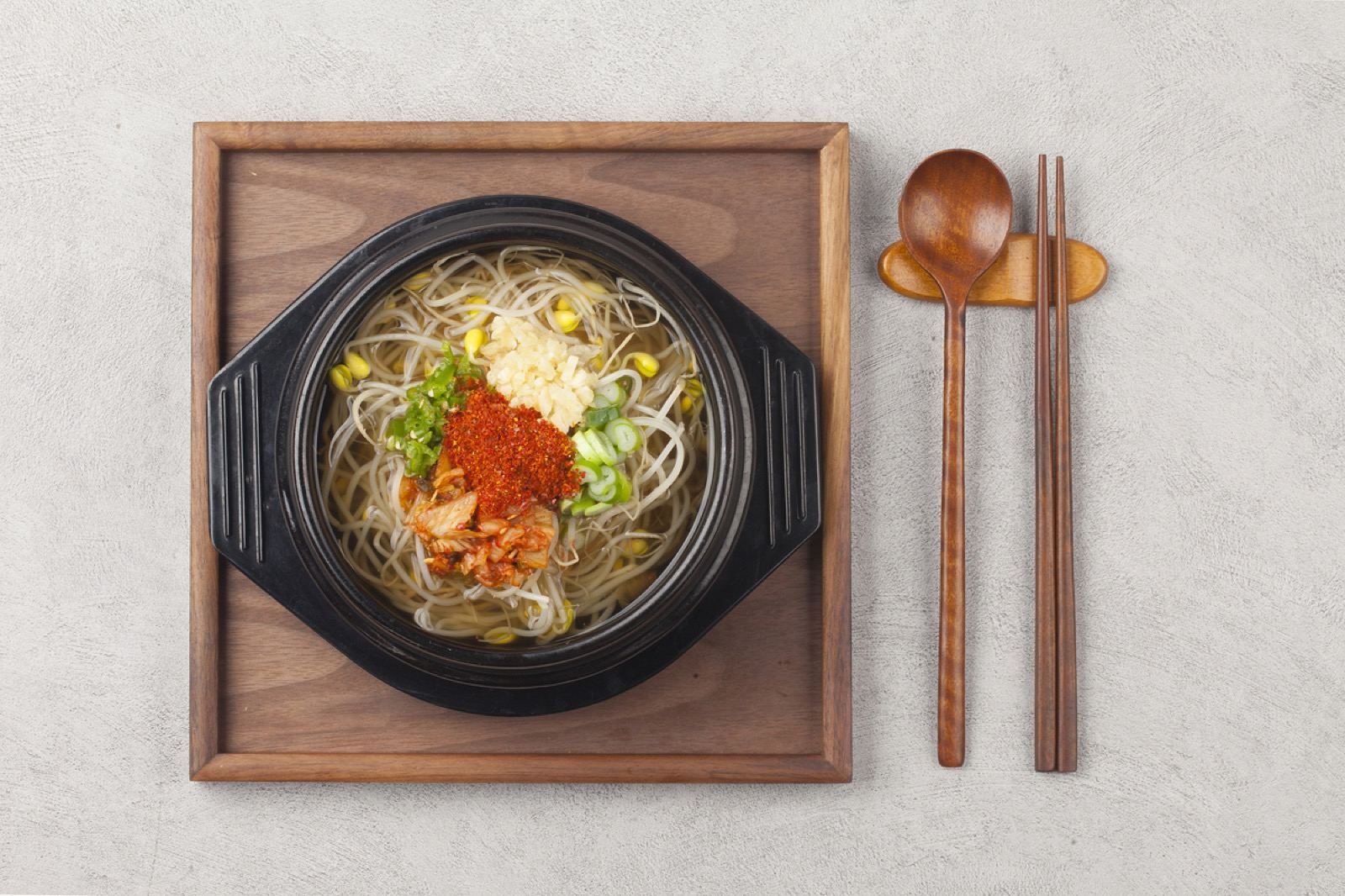
The other dish Jeonju is known for is kongnamul gukbap, a hot soup of rice and bean sprouts, often with a lightly poached egg stirred in. It's cheap, gentle and traditionally eaten as a hangover cure, which tells you something about the makgeolli night that usually comes first. Great any morning, hangover or not.
The makgeolli alley
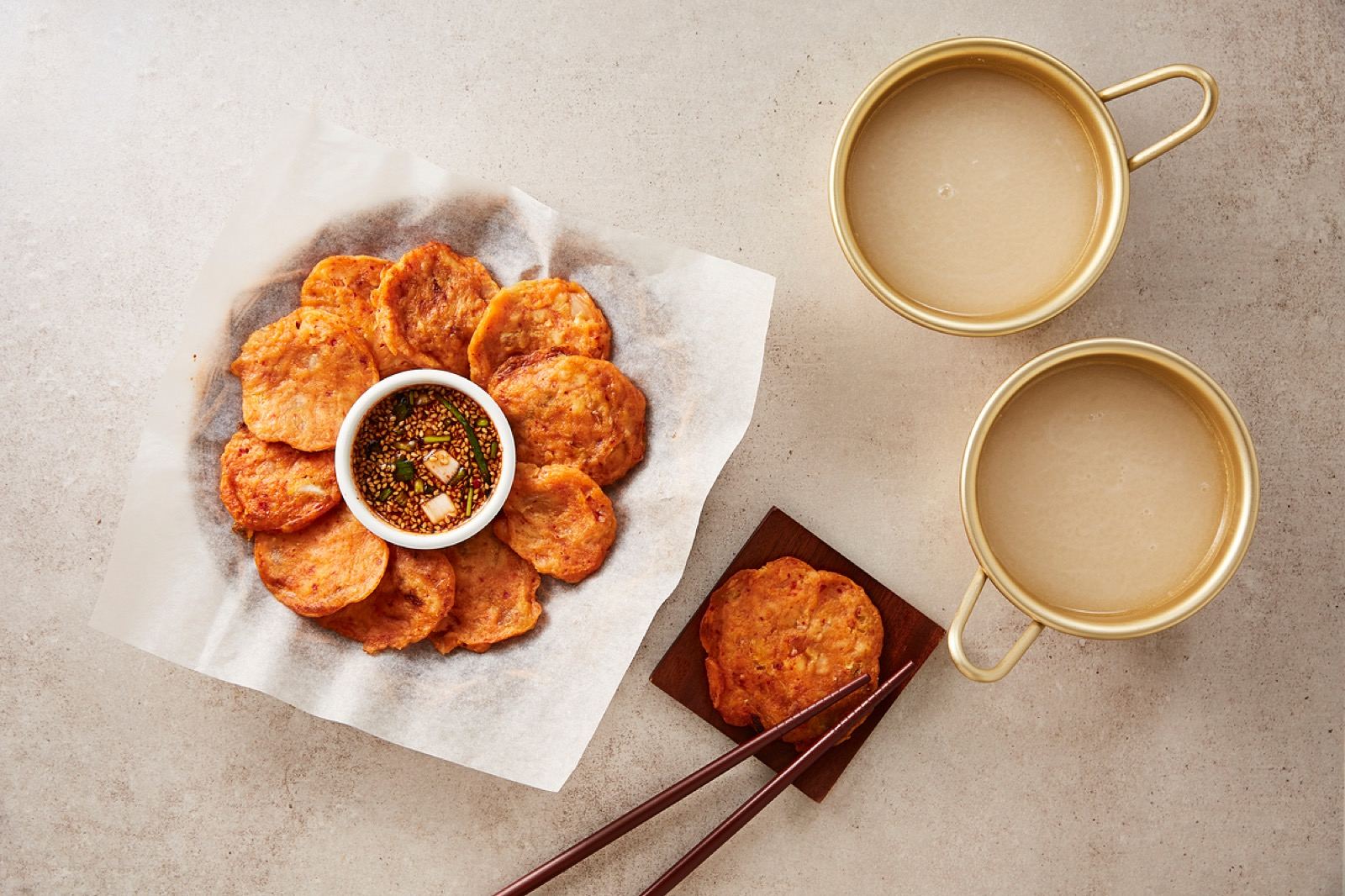
Jeonju's most Jeonju experience is a makgeolli house. You order a kettle of the milky, lightly fizzy rice wine, and a table of free side dishes appears — seafood, pancakes, fruit — with more arriving each time you order another round. It's a famously good-value feast, and a very social night. Pace yourself; the kettles add up.
Street snacks and Jeonju originals
The Hanok Village lanes are lined with things to graze on:
- PNB choco pie — a cult local bakery's upmarket version of the Korean snack, with fresh cream and jam. People carry boxes home.
- Baguette burger — a Jeonju invention that sounds odd and works, a sweet-and-savory sandwich from a long-running local bakery.
- Grilled skewers, croquettes and rice sweets from the village stalls, best grazed slowly.
Hanjeongsan: the full-course feast
For a splurge, book a hanjeongsik (Korean full-course) meal. Jeolla province is famous for these tables that fill with dozens of dishes at once. It's the most complete way to taste why this region is considered Korea's best-eating one.
How to do it
- Bibimbap for lunch, at a well-known bibimbap house near the Hanok Village.
- Makgeolli house for dinner, ideally with a few people to justify the spread.
- Kongnamul gukbap the next morning to reset.
- Graze the village lanes for choco pie and snacks in between.
Base yourself in a hanok stay in the village so you can roll from meal to meal on foot.
Come to Jeonju hungry and leave a fan. Few cities in Korea reward an appetite this well, and none wear their food culture more proudly.