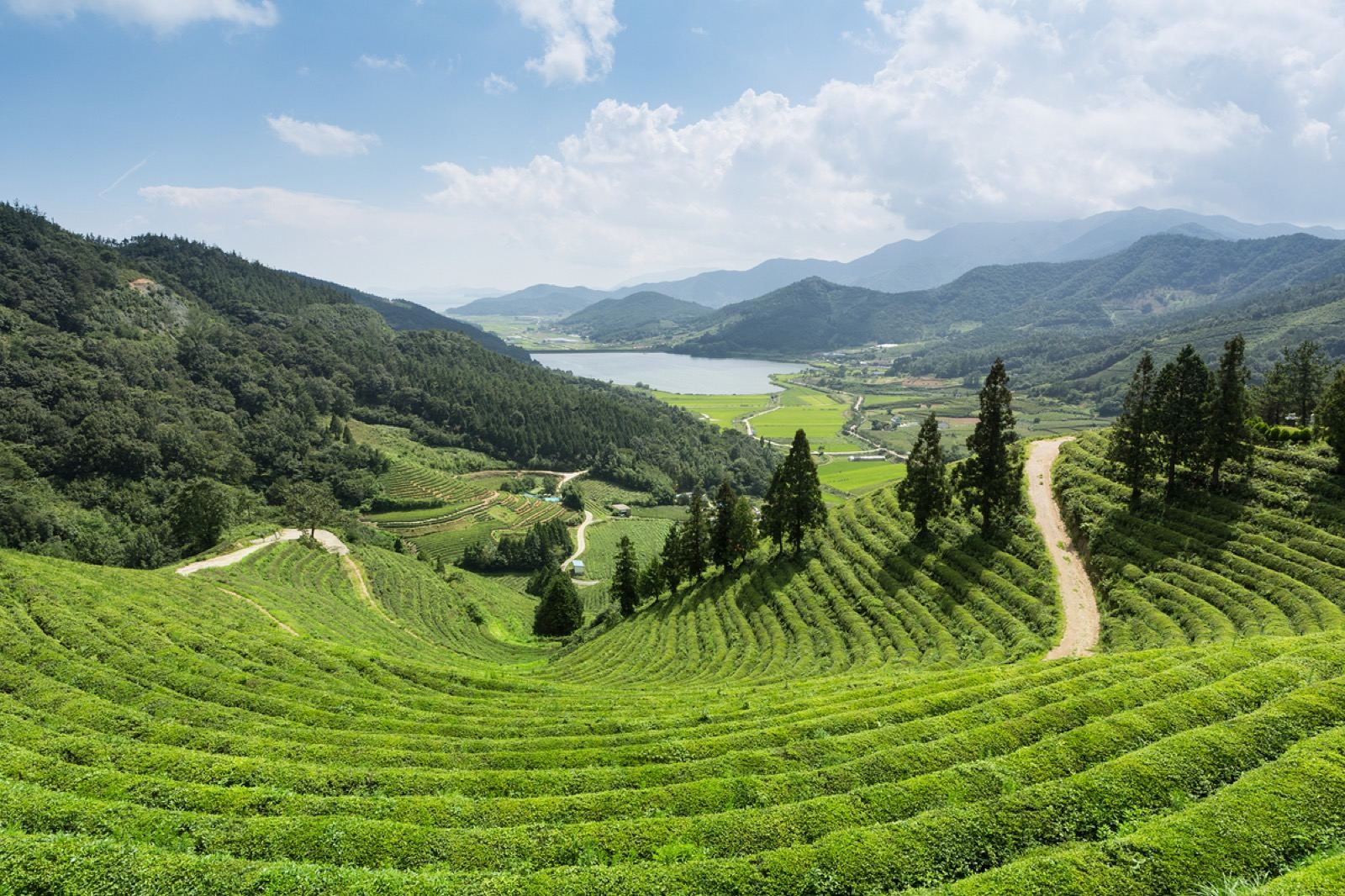
Korea's best green tea grows in two southern regions, and they look nothing alike. Boseong, in South Jeolla, is the postcard: steep, sculpted terraces of tea combed into neat green corduroy. Hadong, in South Gyeongsang, is the older, wilder one, where tea bushes scatter up the hills along the Seomjin River near Jirisan. If you only have time for one, Boseong is the easier day out and the more photogenic; Hadong rewards travelers who want history, river scenery and fewer tour buses.
Neither is near Seoul. Both are a proper trip south, which is exactly why foreign visitors rarely make it and why the fields stay so quiet.
Boseong or Hadong: which one should you pick?
Short version: Boseong for the view, Hadong for the atmosphere.
- Boseong (보성) is a single, famous, ticketed plantation you can walk in under two hours. The terraces are dramatic and easy to photograph, there's a cedar-lined entrance path, and it's set up for visitors. It can get busy on spring weekends.
- Hadong (하동) is a whole tea-growing valley rather than one attraction. The fields are lower and looser, wrapped around villages and temples along the river. You'll want a car or a patient bus plan, but you trade convenience for a region that feels lived-in rather than staged.
Our pick for a first-timer with one free day: Boseong. If you're already doing a slow southern loop (Suncheon, Namhae, Jirisan), fold in Hadong instead.
Boseong: the terraces everyone photographs
The famous view is the Boseong Green Tea Plantation (Daehan Dawon), where rows of tea climb the hillsides in tight green curves. A short, steep walk takes you up through the terraces to viewpoints over the whole bowl of the valley, and a tunnel of tall cedars near the entrance is the other classic photo.
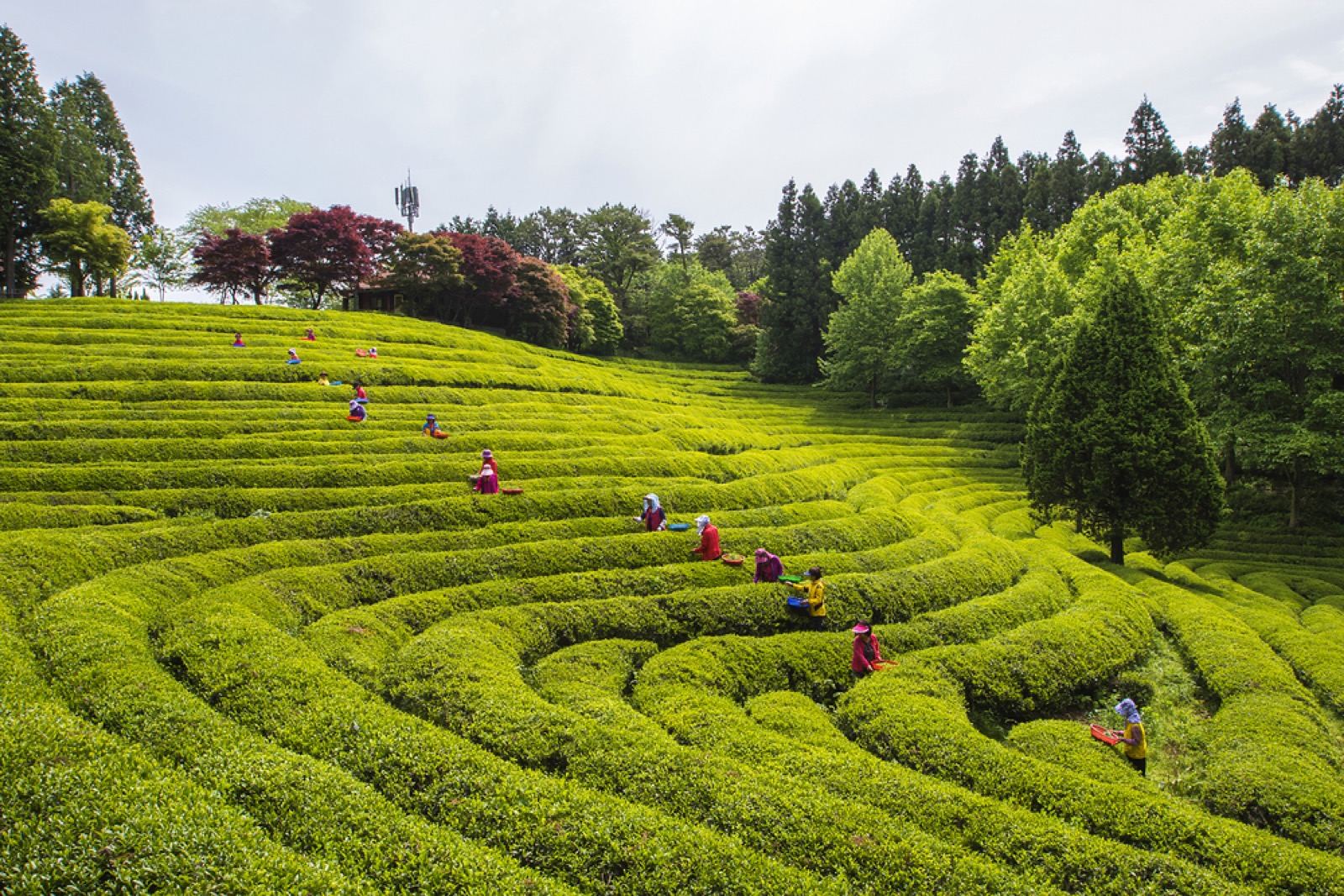
Give it two to three hours. The climb is short but genuinely steep in places, so wear real shoes. There's a green tea festival around harvest time in May, and in winter Boseong lights the fields for a green tea light festival, which is a completely different, after-dark reason to come. Dates shift year to year, so check the official schedule before you build a trip around either.
Hadong: wild tea and the Seomjin River
Hadong grows Korea's oldest tea, and it feels like it. The heart of it is the Hwagae area along the Seomjin River, below the ridges of Jirisan, where tea has been cultivated for over a thousand years. Instead of one manicured plantation, you get bushes tucked between villages, old temples like Ssanggyesa up the valley, and river views the whole way.
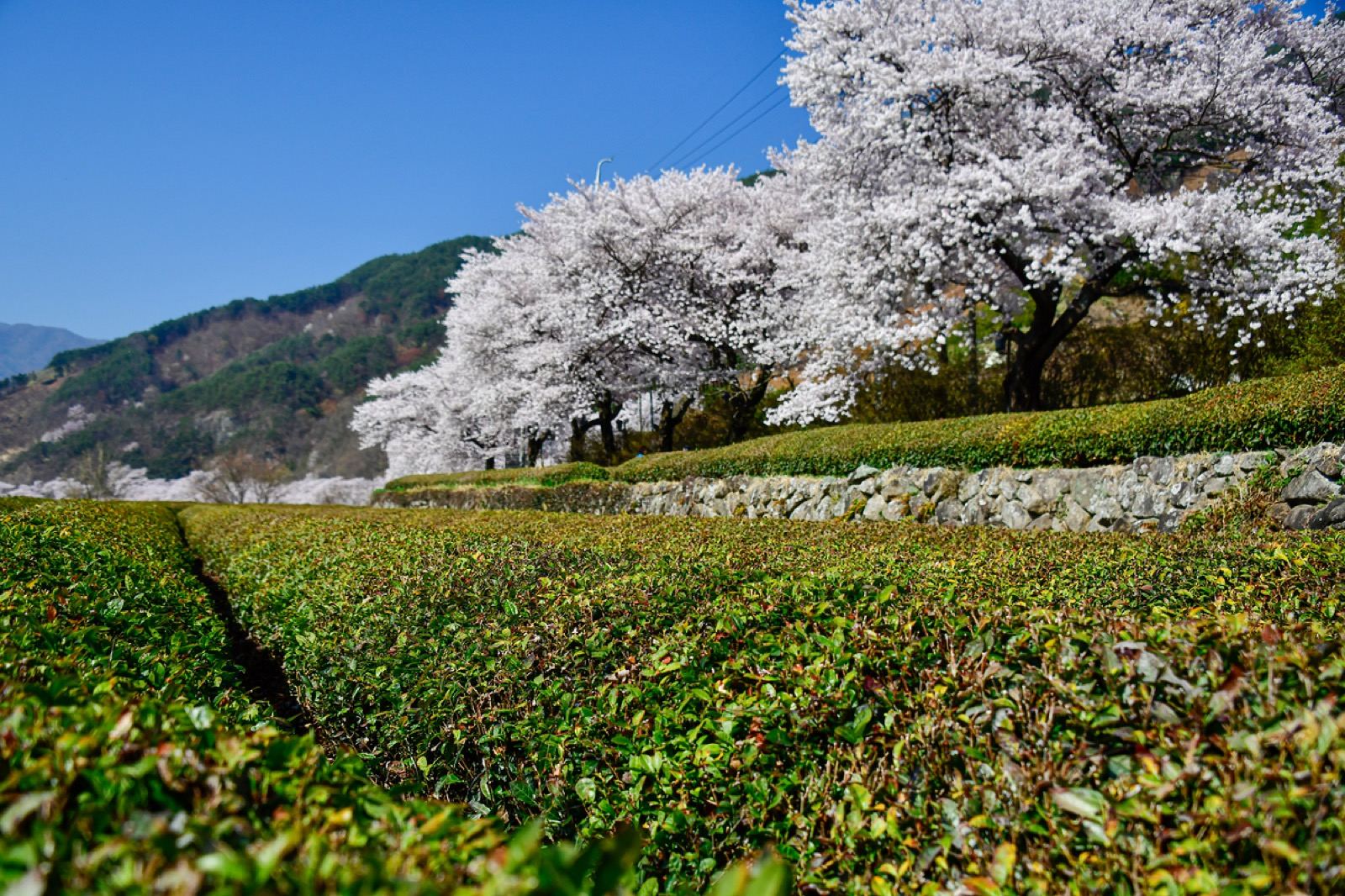
Time it for early April and the Hwagae valley's cherry blossoms bloom right over the tea fields, which is one of the loveliest spring scenes in the country. Hadong's wild tea fields are recognized as a nationally important agricultural heritage site, and the region runs its own wild tea festival, usually in May around harvest. It's slower and more spread out than Boseong, so don't come expecting a single gate to walk through.
When do the fields look best?
Green tea is evergreen, so the fields are green almost year-round, but the timing changes what you get:
- Spring (April–May) is peak: the new leaves come in bright, the harvest happens, and both regions run festivals. Hadong adds cherry blossoms in early April.
- Summer is lush and deeply green, and quieter, though hot and sometimes hazy.
- Autumn is mild and pleasant for walking, with the surrounding hills turning color even though the tea stays green.
- Winter is bare and cold, but Boseong's light festival is the draw.
For the classic bright-green photo, aim for May. For blossoms over tea, early April in Hadong.
What is there to actually do?
More than look at fields, it turns out:
- Walk the terraces. Both regions have marked paths; Boseong's is the steeper, more compact one.
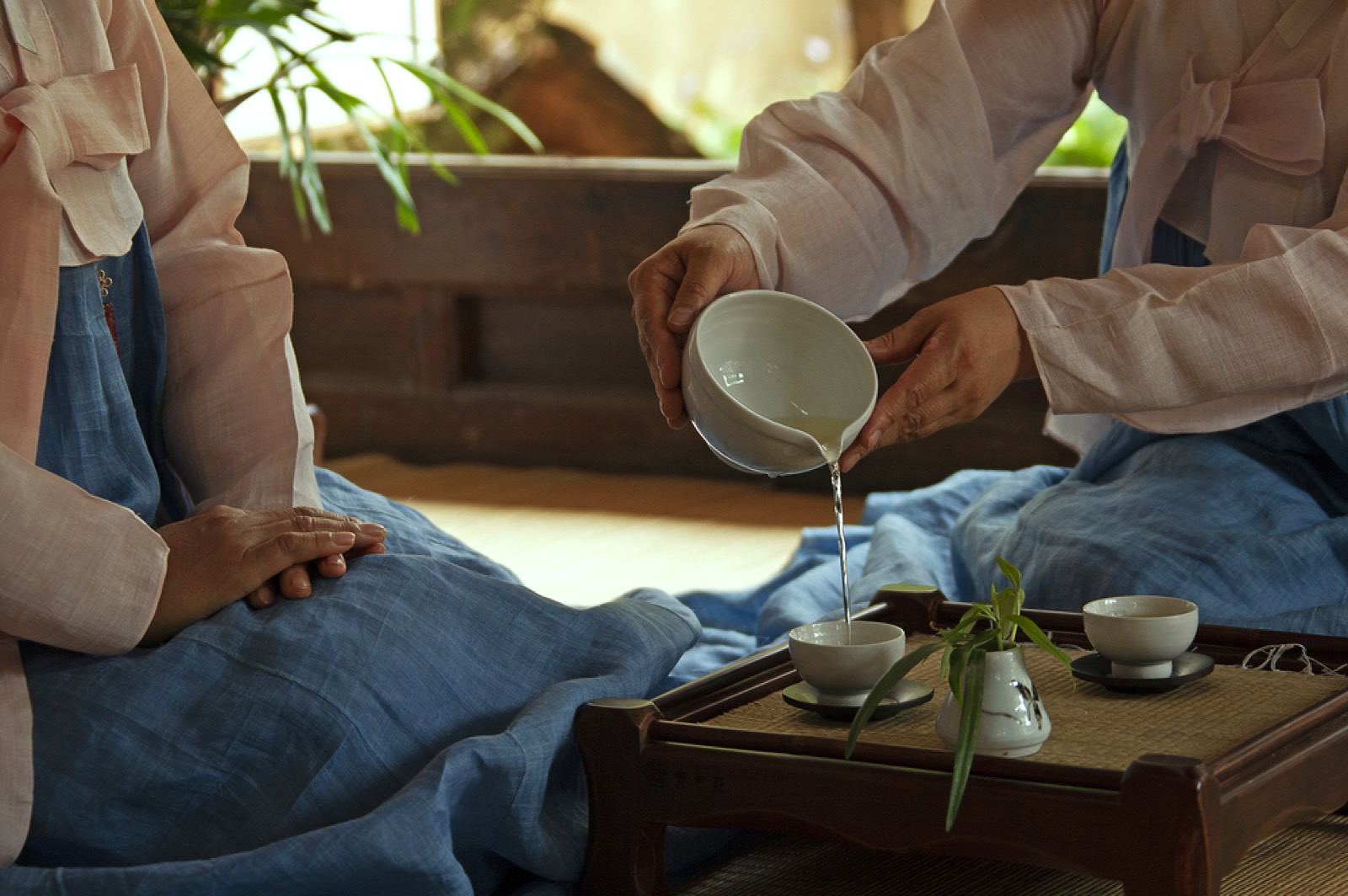
- Drink the tea properly. Tea houses and plantation cafés serve fresh green tea, and some offer a simple tea ceremony where you learn how it's brewed and poured. It's a calm, genuinely nice hour, and a good rainy-day fallback.
- Eat the green tea food. Green tea works its way into everything here, from noodles to ice cream.
What to eat and drink
The regional specialty is anything touched by green tea. Look for green tea noodles, green tea ice cream (the plantation cafés do a good soft-serve), and green-tea-fed pork in Boseong, where pigs raised on tea leaves are a local point of pride. Wash it down with a pot of fresh nokcha rather than the bottled stuff. In Hadong, pair a tea stop with river-fish dishes and the valley's spring greens.
Getting there
Both regions sit deep in the south and need a connecting bus for the last stretch.
- Boseong is easiest reached via Suncheon, itself a good base (see our Suncheon Bay piece), with local buses on to the plantation. Confirm the current bus stop and return times before you go, since services thin out in the afternoon.
- Hadong connects through Jinju or the town of Hadong, with buses up the Hwagae valley. A rental car makes the wild-tea area far less stressful.
Don't leave the last bus to chance. These are rural routes with big gaps between services, and a missed connection can strand you for a couple of hours. Photograph the timetable at the stop when you arrive.
How to do it
- Pick your region by travel style: Boseong for a compact, photogenic half-day; Hadong for a slow river valley.
- Base yourself smartly. Suncheon pairs well with Boseong; a Jirisan or Namhae loop pairs with Hadong.
- Check festival and light-show dates before locking in, especially for May harvest or Boseong's winter lights.
- Book a guided day or a tea experience if you'd rather skip the bus logistics or go deeper than a walk-through.
A guided nature day or a countryside experience is the simplest way to reach these fields without renting a car, and it usually bundles the transport you'd otherwise spend the day figuring out.
Find southern nature tours & tea experiences
Come in spring if you can. The fields are at their greenest, the festivals are on, and in Hadong the blossoms make the whole valley worth the trip south.