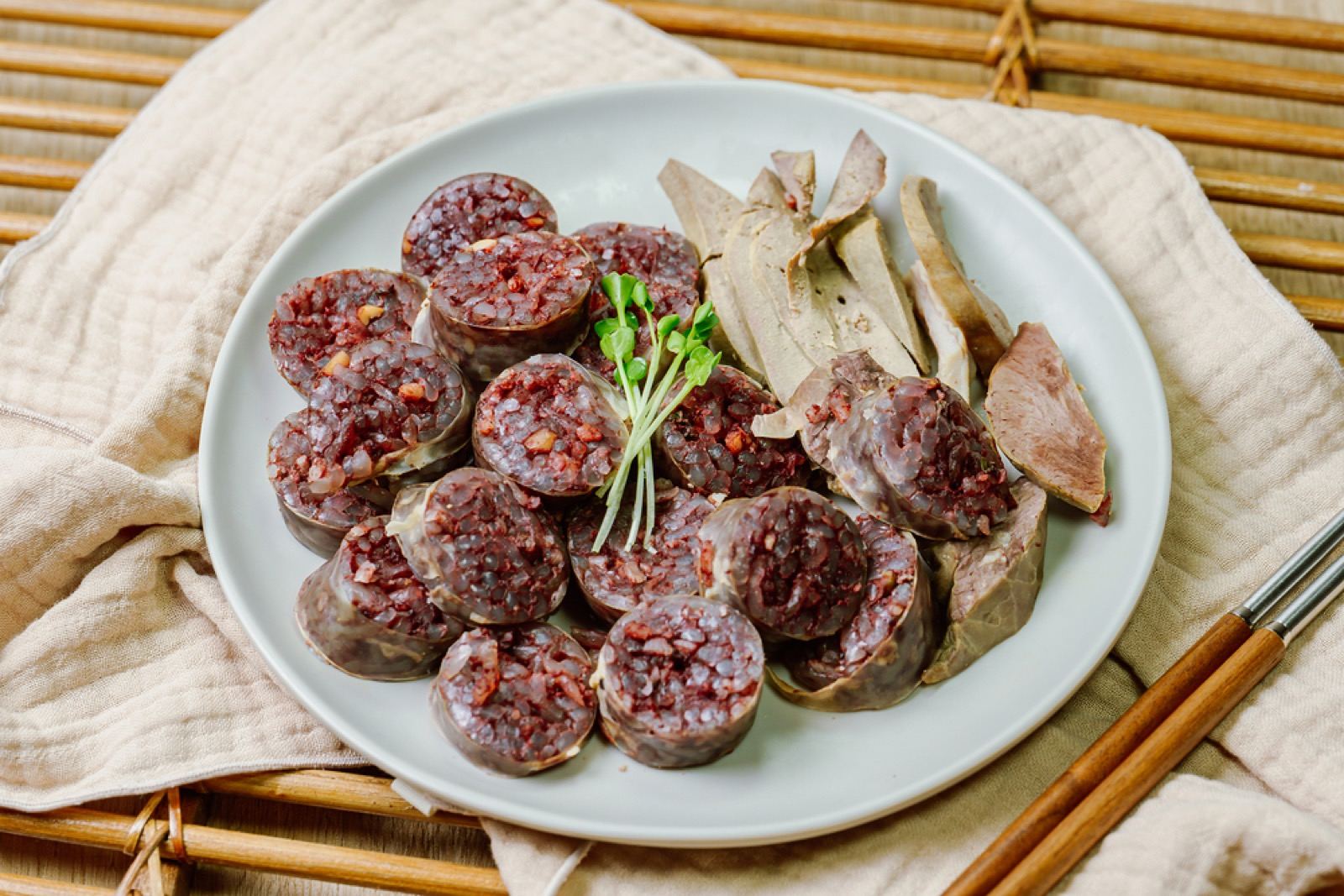
Byeongcheon, a town in Cheonan (Chungcheongnam-do), is famous across Korea for one dish: sundae, the Korean blood sausage, made the traditional thin-skinned way — a natural pork casing packed with blood, vegetables and a little grain, far richer than the cheap glass-noodle version. A whole street of decades-old specialists serves it as a modeum (assorted) platter or in sundae-gukbap soup. Reach it by KTX to Cheonan-Asan (about 40–60 min from Seoul), then a short bus or taxi.
Byeongcheon, a small town in Cheonan (Chungcheongnam-do), is famous across Korea for one dish: sundae, the Korean blood sausage, made the traditional thin-skinned way and served across an entire street of specialist restaurants. If you've only had the chewy, cheap sundae from a market stall, Byeongcheon's version is a revelation — and a genuinely worthwhile food detour. Here's what you're eating and how to do it.
What to order, at a glance
| Dish | What it is | Best for |
|---|---|---|
| Modeum platter | Sliced sundae + steamed offal | First visit, sharing |
| Sundae-gukbap | Sundae in hot pork-bone broth + rice | Cold weather |
| Byeongcheon sundae | Thin-skinned blood-and-grain sausage | The real thing |
What makes Byeongcheon sundae different
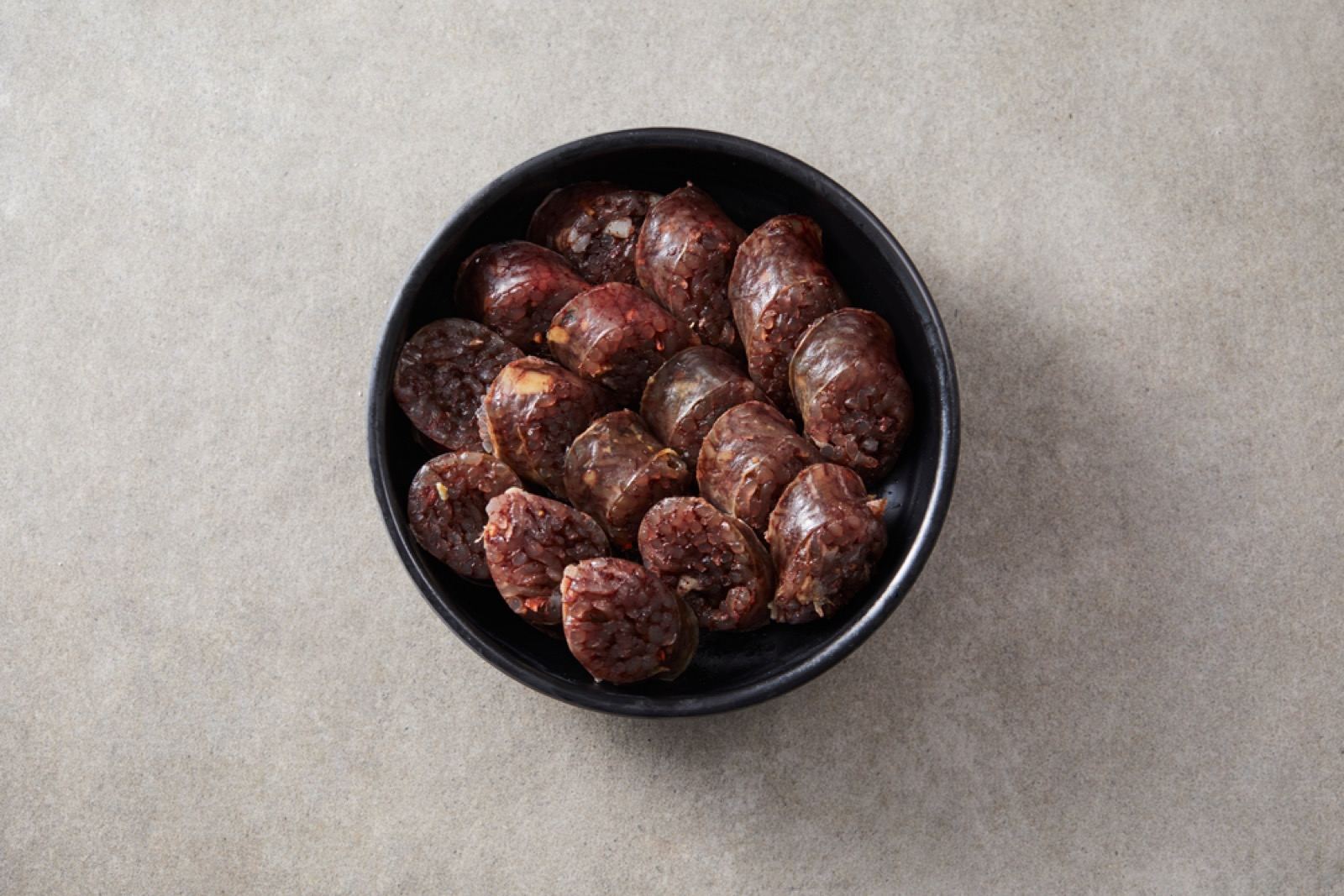
Most sundae you'll meet in Korea is dangmyeon sundae — casing stuffed mostly with glass noodles, cheap and filling. Byeongcheon sundae is the older, finer style: a natural pork-intestine casing packed with pig's blood, vegetables, and a little glutinous rice and barley, with a thinner skin and a much richer, meatier taste. It's closer to a proper blood sausage than a noodle filler.
It's traditionally served as a modeum (assorted) platter — sliced sundae alongside steamed pork offal (liver, lung, intestine) — with a salted shrimp or perilla-salt dip.
How to eat it
- Order a modeum platter to try the sundae with the offal sides.
- Dip in the saeujeot (salted shrimp) or perilla-seed salt provided.
- Sundae-guk / sundae-gukbap — the same sundae in a hot pork-bone broth with rice — is the other classic order, perfect in cold weather.
- Wrap pieces in the greens on the table, or eat straight with the dip.
Don't be put off by "blood sausage." Byeongcheon's is savory and mild, not metallic, and the thin casing makes it far more delicate than the market version most people judge sundae by.
The sundae street
The appeal is the concentration: Byeongcheon Sundae Street (병천순대거리) is lined with dozens of long-running sundae specialists, many decades old, all doing variations of the same thing. Pick one busy with locals — the recipes are broadly similar, so atmosphere and queue length matter more than agonizing over which door. Prices are modest; a platter or a bowl of gukbap is cheap, hearty food.
When to go
Year-round, though the hot sundae-gukbap is especially good in the cold months. Weekday lunches are calmer than weekends.
Getting to Byeongcheon / Cheonan
- KTX/SRT reaches Cheonan-Asan Station from Seoul in about 40 minutes to an hour as of 2026; from there it's a local bus or taxi out to Byeongcheon.
- The regular Line 1 subway also reaches Cheonan, slower but cheaper.
- Byeongcheon is a bit outside central Cheonan, so plan the last leg by bus or taxi.
How to do it
- Take the KTX to Cheonan-Asan, then bus/taxi to Byeongcheon.
- Pick a busy sundae specialist on the street.
- Order a modeum platter (and/or sundae-gukbap in winter).
- Use the dips and eat with the greens.
- Pair with Cheonan's Independence Hall nearby if you want a sight to go with the meal.
Since it's a quick train from Seoul plus a short local hop, sorting the Cheonan connection in advance makes this an easy half-day food trip.
Sort trains & passes for your Korea trip
Frequently asked questions
What is Byeongcheon sundae?
Byeongcheon sundae is a traditional, thin-skinned Korean blood sausage — a natural pork-intestine casing packed with pig's blood, vegetables and a little glutinous rice and barley. It's richer and meatier than the cheap glass-noodle (dangmyeon) sundae most people know, closer to a proper blood sausage.
How is Byeongcheon sundae different from regular sundae?
Most sundae is stuffed mostly with glass noodles, cheap and filling. Byeongcheon's older style uses a thin casing packed with blood, vegetables and grain, giving a richer, meatier, more delicate result — a revelation if you've only had the market version.
How do you eat Byeongcheon sundae?
Order a modeum (assorted) platter of sliced sundae with steamed pork offal, and dip pieces in the salted shrimp or perilla-seed salt provided. In cold weather, sundae-gukbap — the sundae in a hot pork-bone broth with rice — is the other classic order.
Where is Byeongcheon Sundae Street?
It's in Byeongcheon, a town just outside central Cheonan in Chungcheongnam-do, lined with dozens of long-running sundae specialists, many decades old. Pick one busy with locals — the recipes are similar, so atmosphere and queue matter more than the specific door.
How do you get to Byeongcheon from Seoul?
Take the KTX or SRT to Cheonan-Asan Station (about 40–60 minutes from Seoul), then a local bus or taxi out to Byeongcheon. The cheaper Line 1 subway also reaches Cheonan, more slowly.
Is sundae worth trying if you're squeamish about blood sausage?
Yes — Byeongcheon's version is savory and mild, not metallic, and the thin casing makes it far more delicate than the market sundae most people judge it by. It's one of the better food detours in Chungcheong.
Come hungry and order the platter. Byeongcheon turns a dish most travelers write off into one of the better food detours in Chungcheong.